KAYWOODIE Ruf-Tone

KAYWOODIE Ruf-Tone

USA, 1970-80s

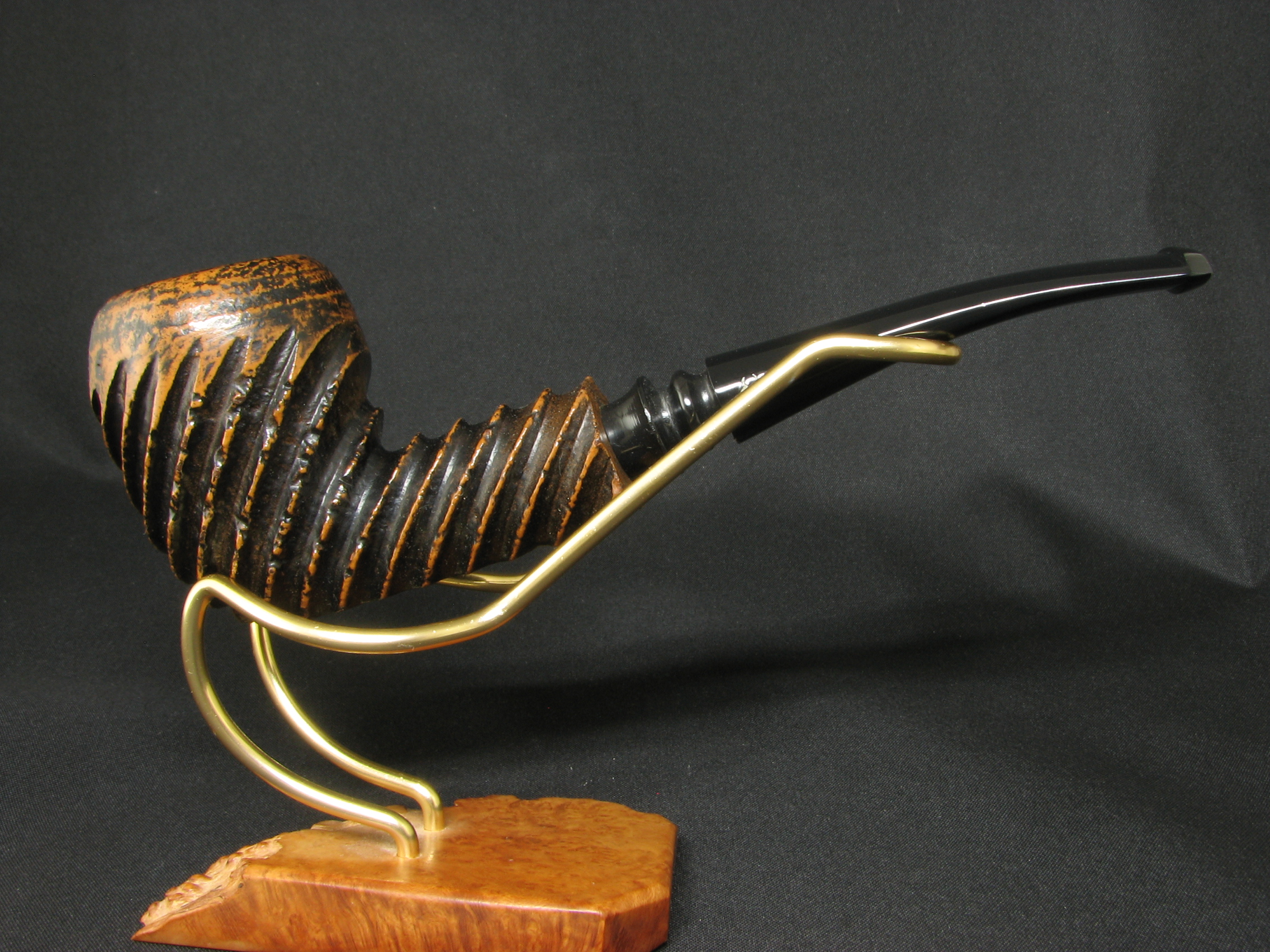
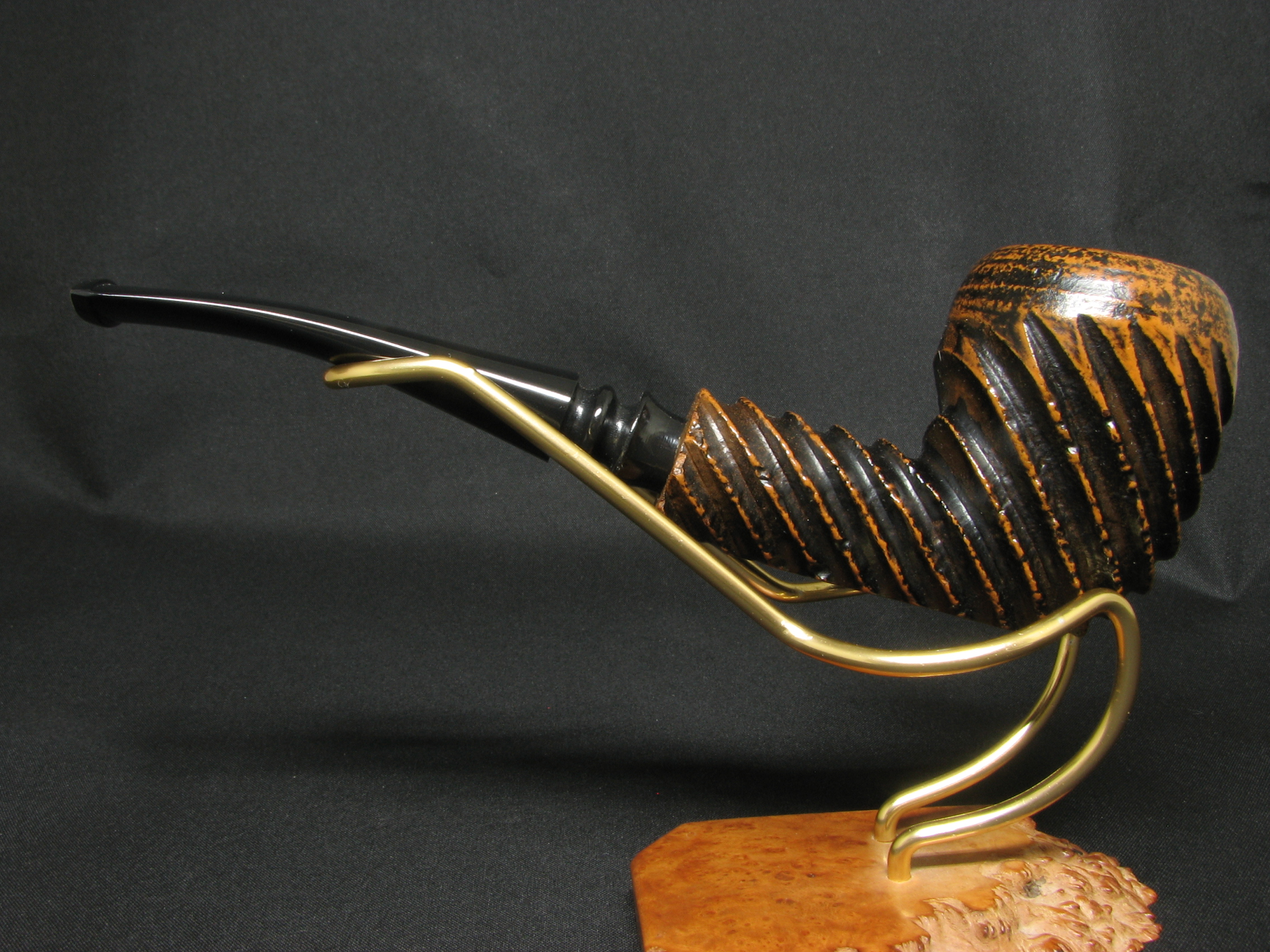
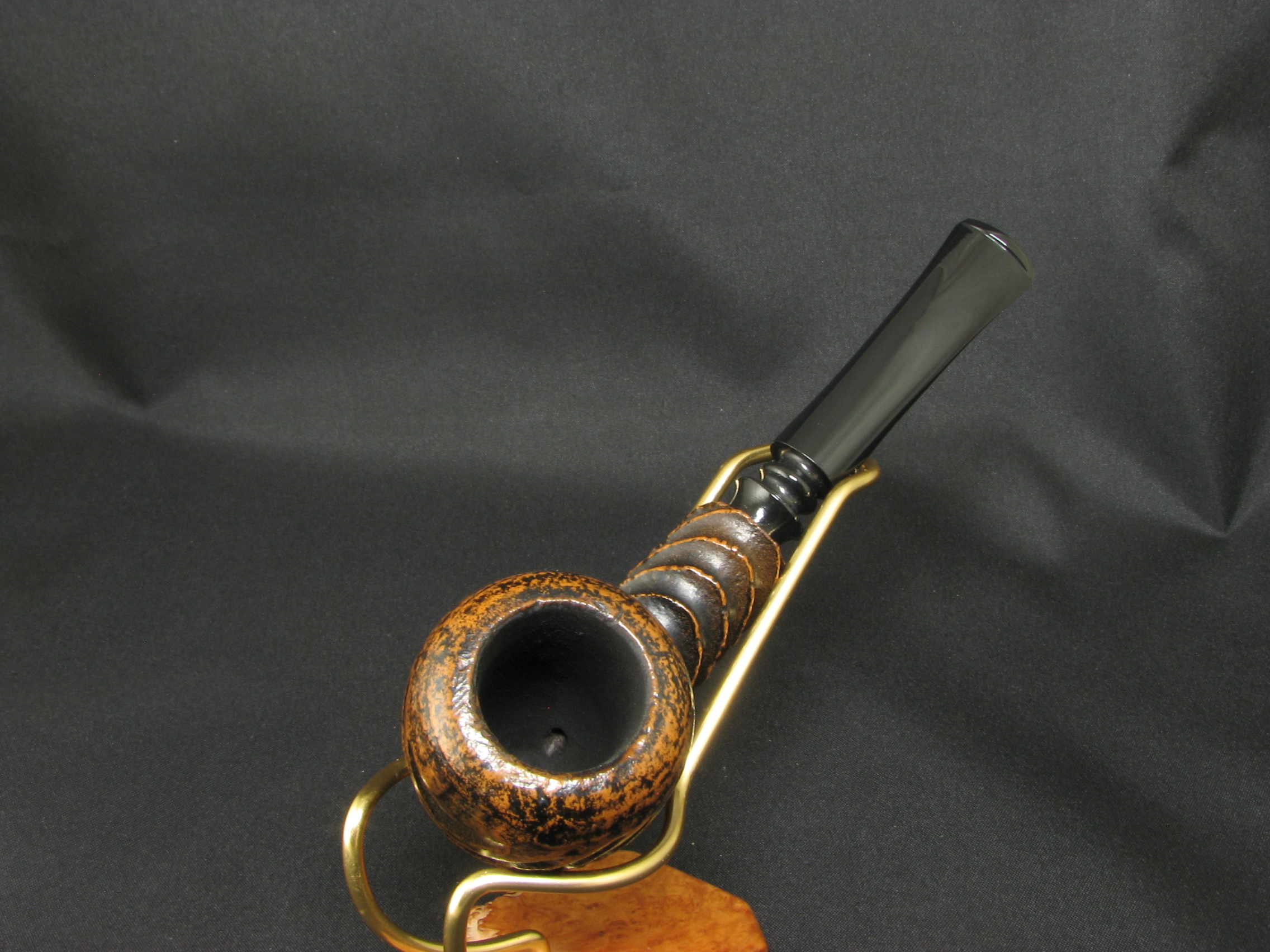
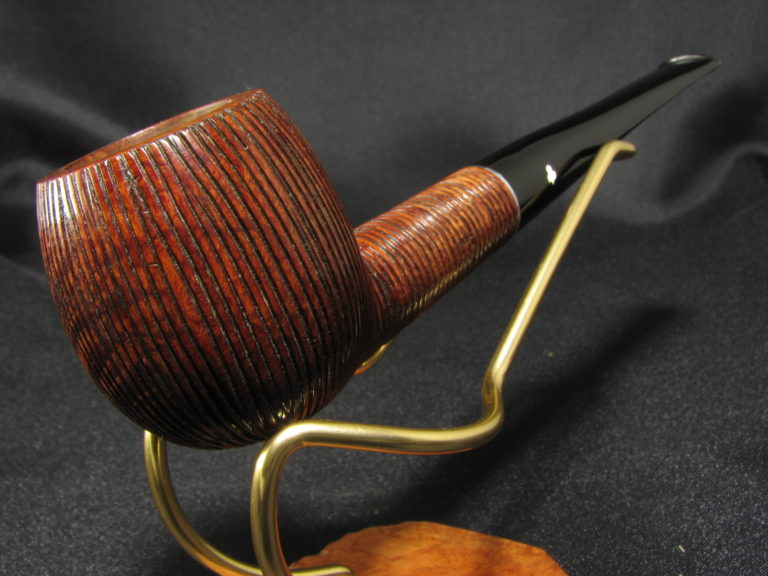
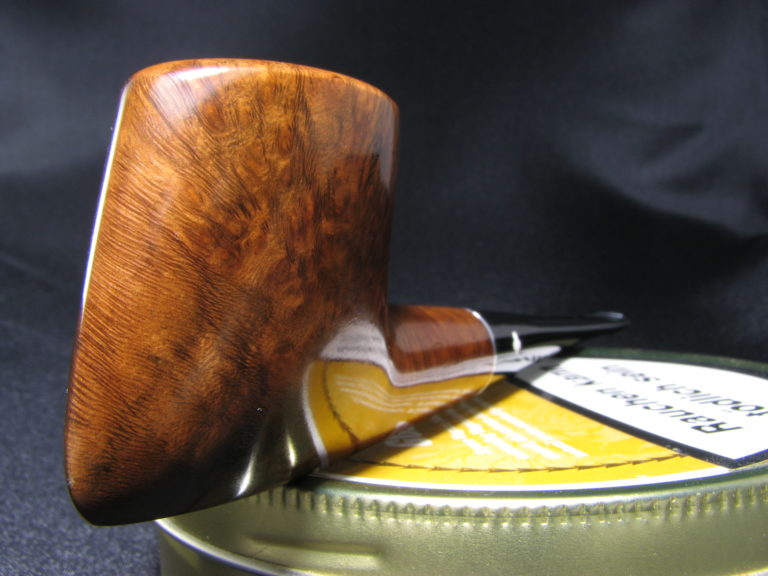
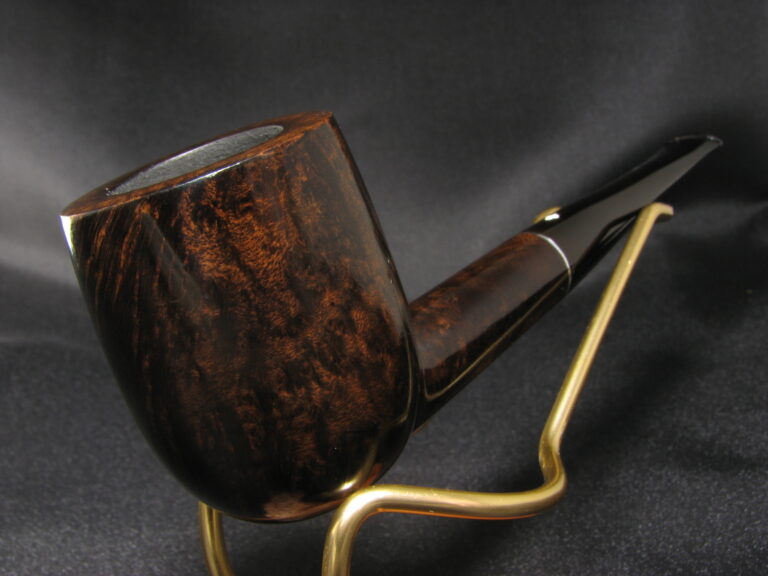
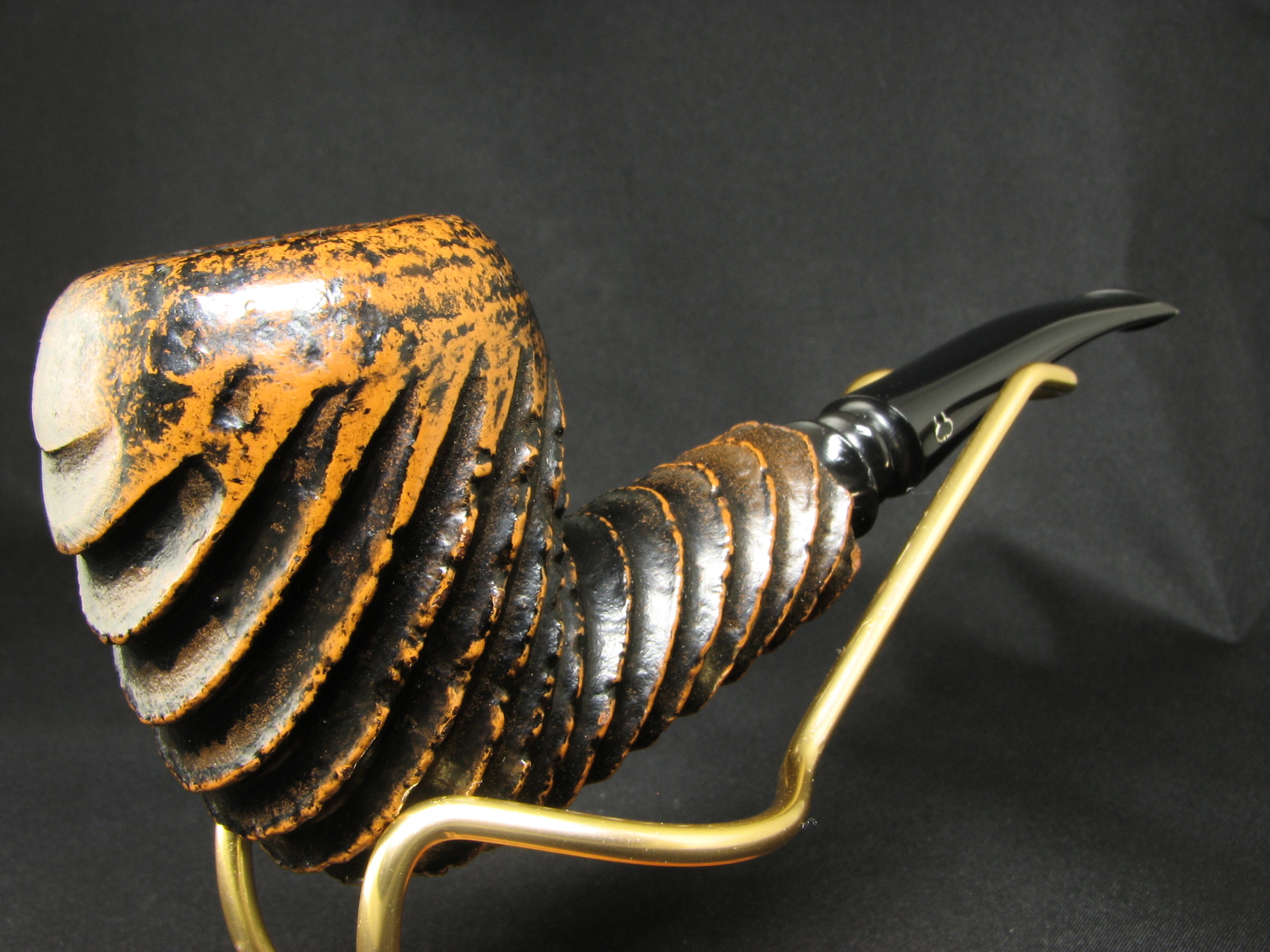
American artisans from Kaywoodie have always delighted collectors with a generous variety of shapes and finishes — sometimes simply pleasant and utilitarian, sometimes extremely apt and thoughtful. And, of course, our today’s Ruf-Tone belongs to such the brightest and most successful: the artificially aged, contrasting finish combined with deep rustication is literally mesmerizing, and the carefully chosen shapes create the illusion of a deep-sea monster… or a creature from deep space.

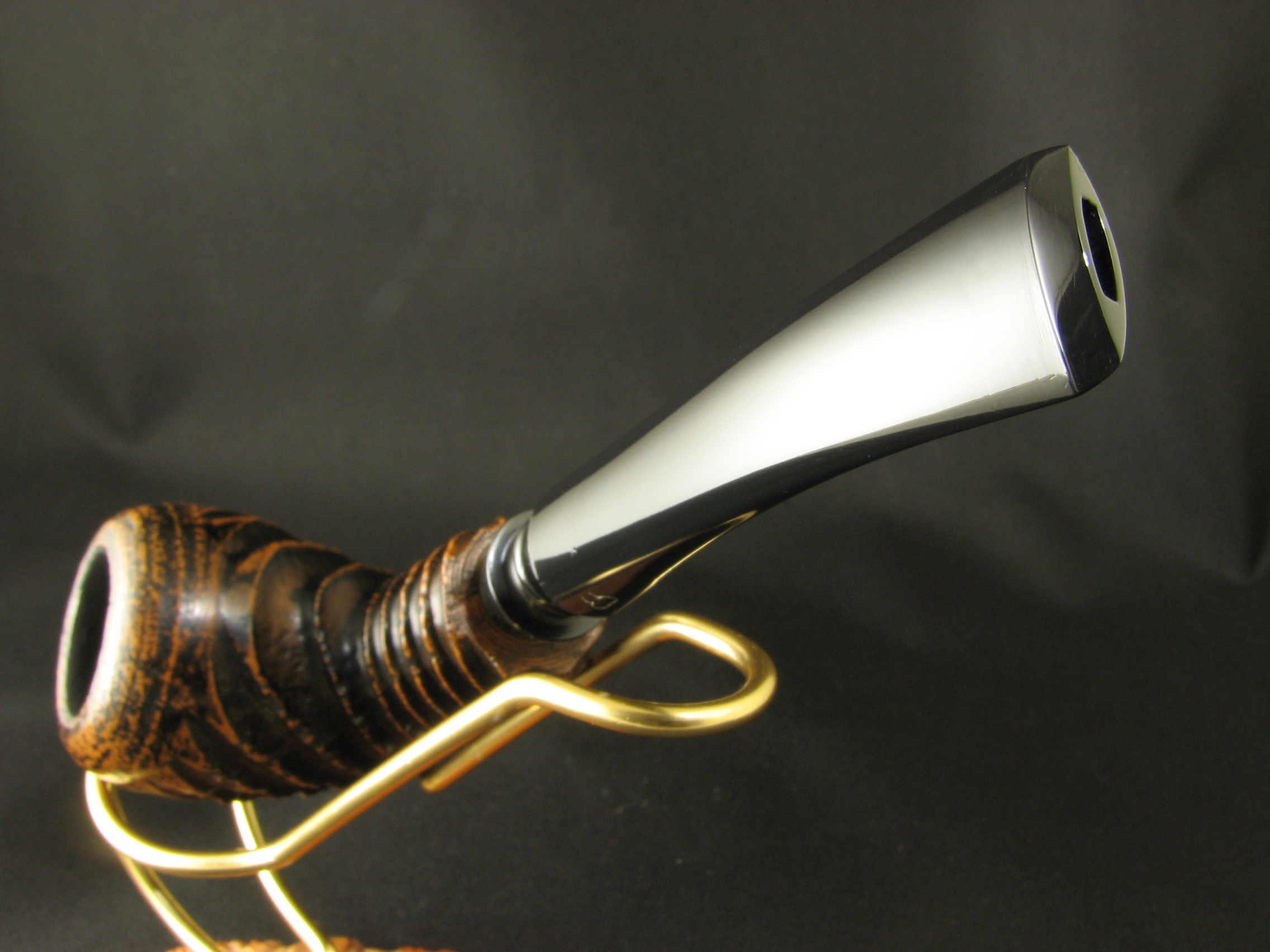
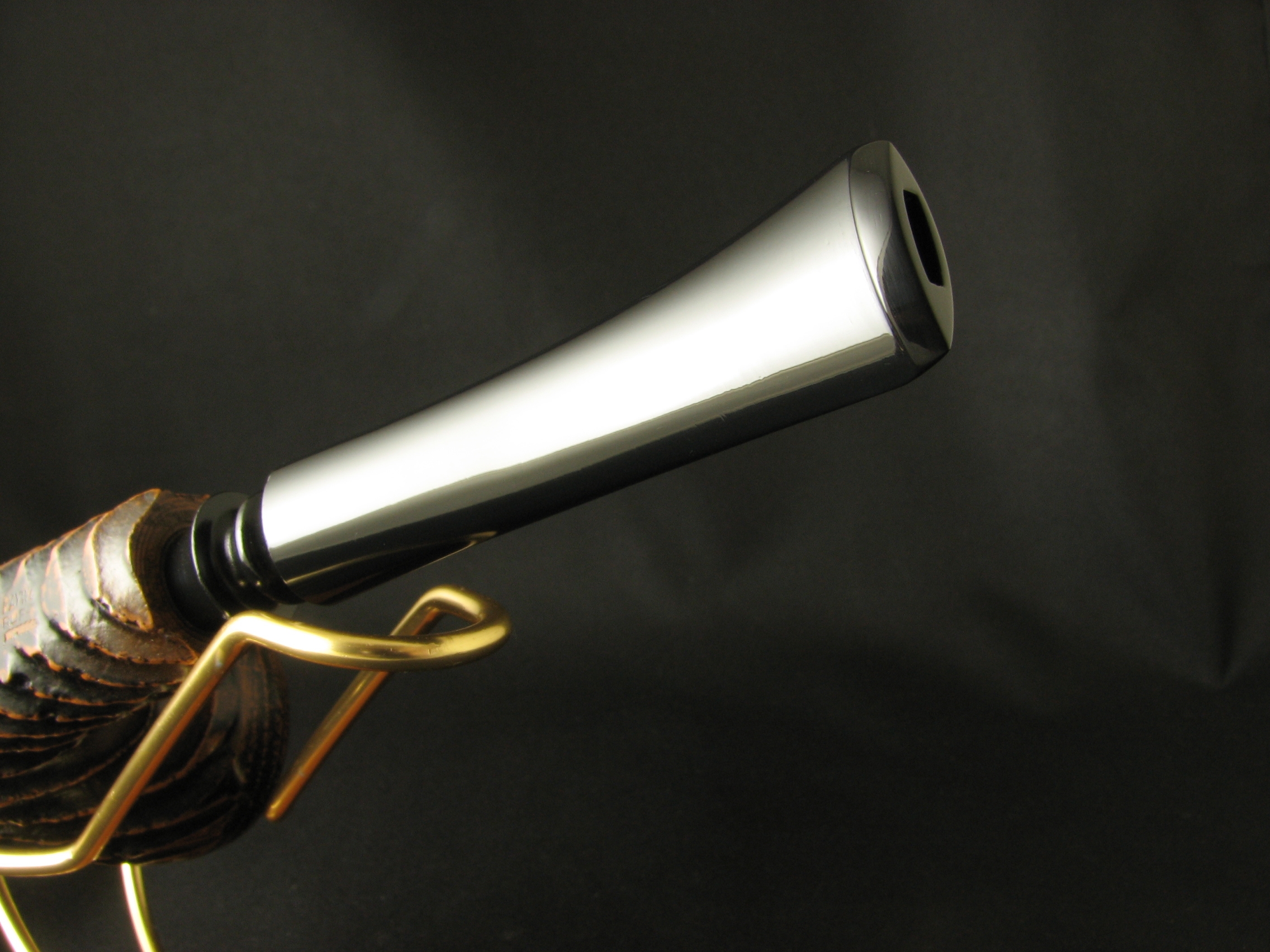
The aluminum stinger with three holes and the logo application on the mouthpiece hint that this pipe was made at the end of the last century, most likely in the 1980s. This assumption is also confirmed by our sources: the Ruf-Tone series was launched in 1977.

Pipe markings “KAYWOODIE \ RUF-TONE \ …”
Length 14.2 cm (5.59″)
Bowl Height 4.8 cm (1.89″)
Outside Diameter 3.6 cm (1.42″)
Chamber Diameter 2.0 cm (0.79″)
Chamber Depth 3.7 cm (1.46″)
Weight 38 gr.

Briar, plastic stem, aluminium air cooler.

The pipe has been thoroughly cleaned, polished, sanitized and now is ready for a new life.
Similar Posts

  • KAYWOODIE Super Grain 29

    USA, 1930-50s Kaywoodie pipes are well known and respected as relatively inexpensive, reliable and collectable smokers, it’s perhaps the most collectable and well explored American pipe brand: each small detail can tell something significant about the pipe’s age and history. And this sample is very interesting indeed: this is the early Super Grain Kaywoodie (“Super…

  • KAYWOODIE Hand Made

    USA, 1940-50s This is one of the “old style” Kaywoodie Hand Made pipes produced between 1946 and 1955, possibly even earlier in the 1940s. All the details on the pipe confirm that it is an ancient and valuable historical rarity: the 4-hole stinger is stamped “Drinkless” and a patent number (a little hard to read…

  • KAYWOODIE Super Grain 61

    USA,1950s A very interesting Kaywodie pipe from 1950’s. Both the streamliner shape (so much popular at those times) and the technically advanced drilling approach make this sample a really collectable piece of American pipe making history. The drilling is done under the chamber with two drought holes down to bottom of the chamber in order…

Leave a Reply

Your email address will not be published. Required fields are marked *