CHARATAN'S Make Free Hand Relief

CHARATAN’S Make Free Hand Relief

England, 1960s

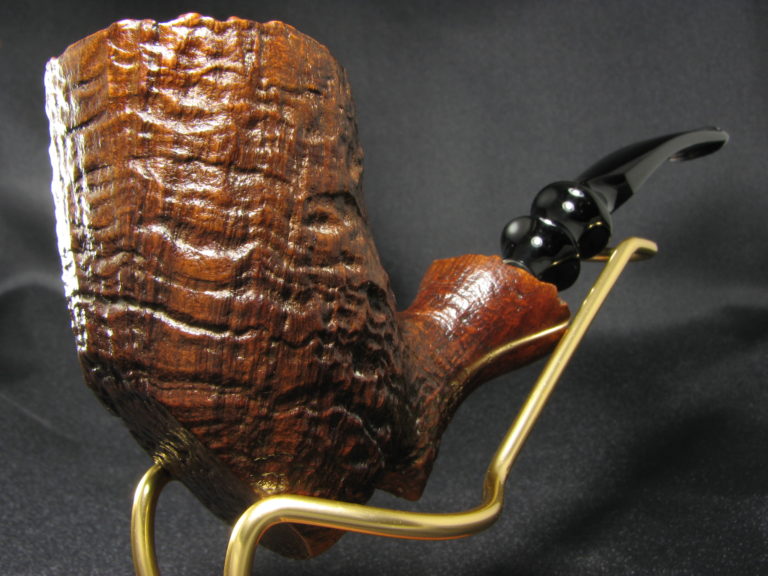
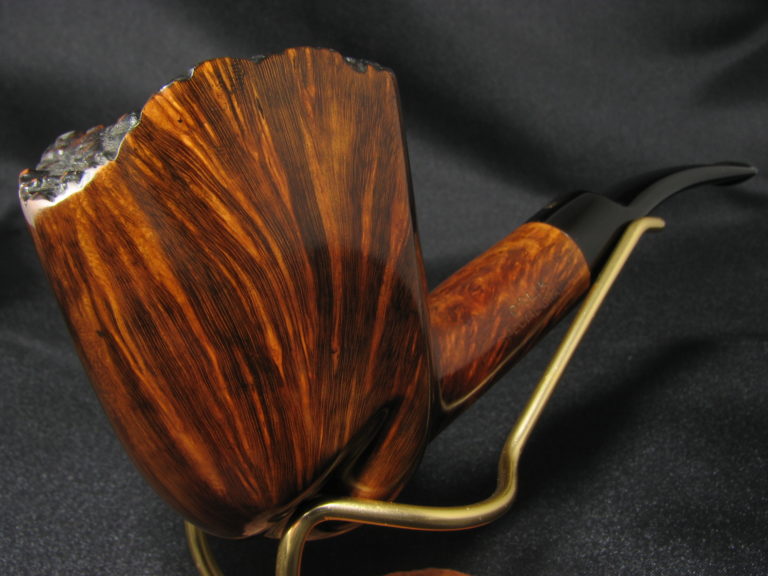
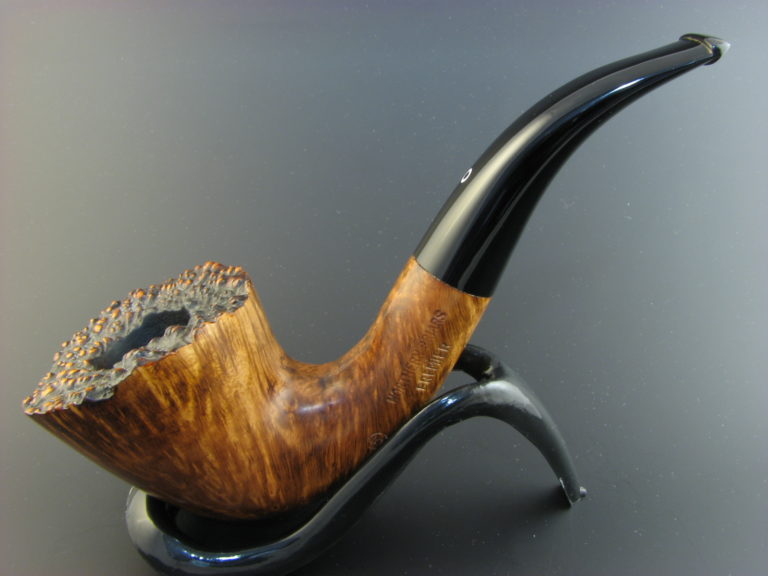
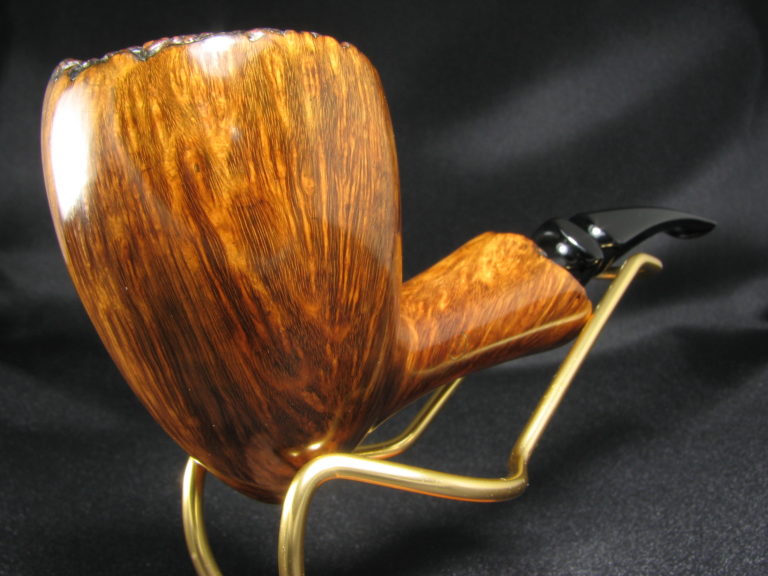
A wonderful example of the Charatan’s art from the Lane era (1960s). The company competes with Dunhill not only in smooth pipes (the smooth Charatan’s was simply incomparable!) but also in the area of blasted (well, rusted and than blasted) pipes. One of the most successful products is Free Hand Relief. Like this one.

​The pipe markings are “CHARATAN’S MAKE \ LONDON ENGLAND \ Free Hand Relief \ Extra Large”, “L”, “REGD № \ 203573”. The length is 15.7 cm, bowl’s hight is 5.0 cm. External and internal diameters of the bowl are 4.0 cm and 2.1 cm. The depth is 3.9 cm and this pipe weights 32 gr. Briar, vulcanite stem, no filter. The chamber has been protected with the break-in coat. 


Similar Posts

  • CHARATAN’S MAKE Distinction

    England, 1960-70s A very well-preserved example of the craftsmanship of Charatan’s carvers from the so-called “second Lane period” — spanning from the mid-1960s to the mid-1970s. Among the range of Charatan’s Distinction line, this piece confidently holds a high position—surpassed only by the top-tier Selected and Supreme grades. Pipe markings “L”, “CHARATAN’S MAKE \ LONDON….

  • G. W. SIMS

    England, 1960-70s As Pipedia notes, “G.W. Sims was one of the few English pipe makers who produced Danish style freehands carved from specially selected plateau briar. Mr. Sims willingly made pipes to personal specifications”. Today, we have the pleasure of presenting an example of just such work by the former Charatan’s carver and later an…

  • SØREN

    Denmark “Søren” is the pre name of Søren Refbjerg Rasmussen (more known as Refbjerg) – famous Danish artisan and founder of the small company (8-12 craftsmen in 1970s). The very best pipes were finished by the carver himself and stamped “Refbjerg”, while more affordable creations were marked “Søren”. Thus the pipe is not from the…

  • CHARATAN’S MAKE Selected 55

    England, 1950s A pipe of the second Charatan’s higher grade next to the highest “Supreme”. It seems the pipe was made before 1960 – the shape number is located together with the nomenclature on the left side of the shank like it was on “family era” pipes. The encircled “L” is not a misunderstanding –…

Leave a Reply

Your email address will not be published. Required fields are marked *