Pipeline

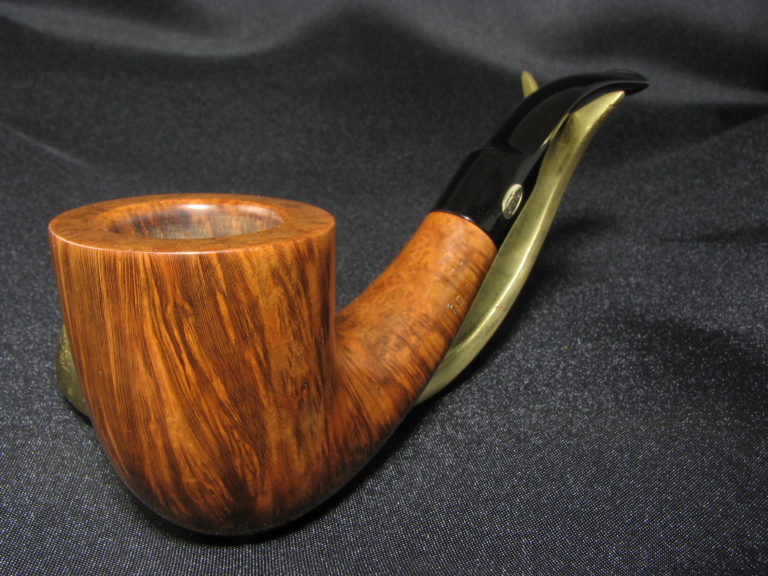
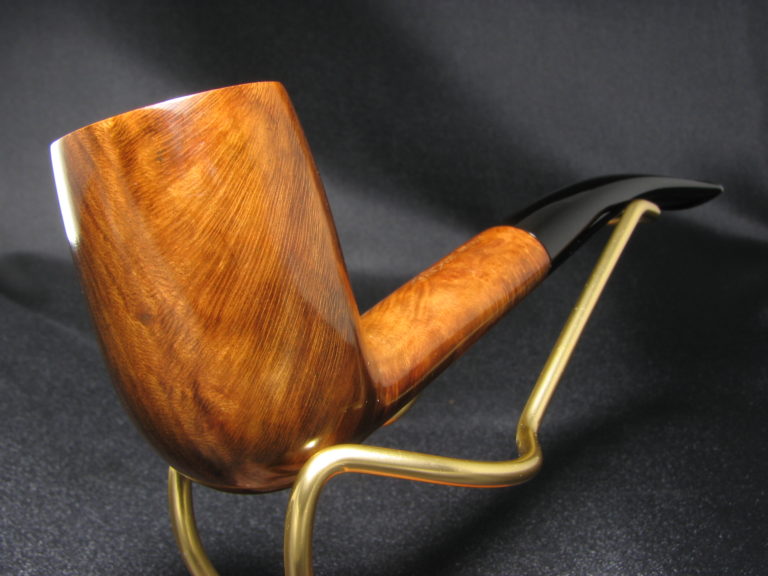
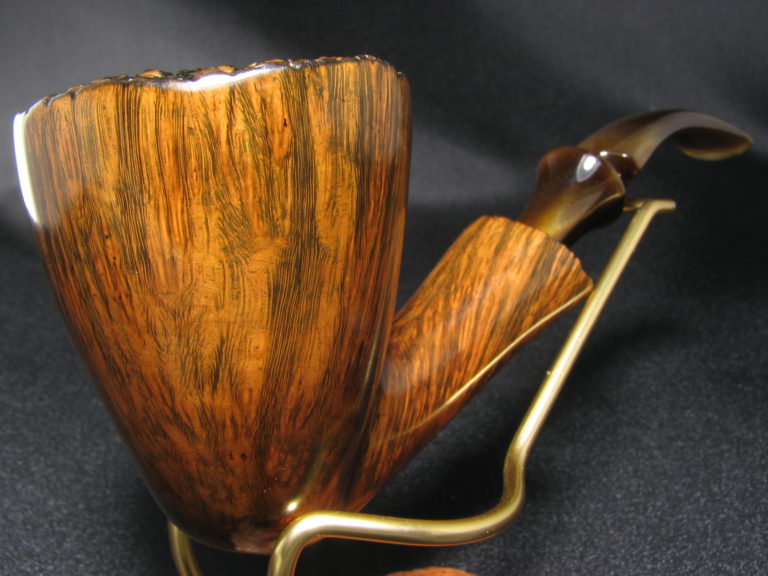
  • GBD Virgin 392

    England, 1950-70s ​One of the top graded GBD pipes. The Virgin series followed their famous Pedigree, Prodigy and Straight Grain grades. The pipe was made in 1970s the latest, before the merge with Comoy’s by Cadogan. Amazing grain, wonderful classical billiard shape, stylish perspex stem! This is the really pleasant pipe!

  • GBD Virgin 1451

    England, 1950-70s ​One of the top graded GBD pipes. The Virgin series followed their famous Pedigree, Prodigy and Straight Grain grades. The pipe was made in the 1970s latest, before the merge with Comoy’s by Cadogan. ​An extraordinary sample! Firstly, the pipe has a significantly extended stem, though it’s a Canadian (or a lumberman, to be…

  • G. W. SIMS brandy

    England, 1960-70s G.W. Sims (just the modest G.W., though some consider that he was George) is known from the first half of the XX century, and the first pipes of the artisan (and at times a repairman) were marked even more modestly – “GWS”. According to some sources, G. W. used to work for Charatan’s…

  • DUNHILL Shell 21111

    England, 1978 The sandblast finish is considered to be invented by Dunhill, at least this fact was confirmed with patents of 1917 – in Great Britain and 1920 – in the USA. From the beginning Algerian briar was used for blasted pipes as much softer and providing deeper and more attractive finish. Although in 1960-70…

  • DUNHILL Bruyere 44532

    England, 1970 In the beginning Dunhill created Bruyere. And several years (1910-1917) it was the single brand made by the company of a firm and dense Calabrian briar. And though pre WWII “bruyeres” were marked just by a letter “A” instead of model, the Bruyere series is the one of the oldest long-livers not only…

  • DUNHILL Shell 6163

    England, 1978 The sandblast finish is considered to be invented by Dunhill, at least this fact was confirmed with patents of 1917 – in Great Britain and 1920 – in the USA. From the beginning Algerian briar was used for blasted pipes as much softer and providing deeper and more attractive finish. Although in 1960-70…

  • DUNHILL Root Briar 5109

    England, 1986 Initially Dunhill didn’t pay any special attention to a grain of briar. Perhaps, the public opinion had not been ready yet to a “straight grain” and material of early Bruyere pipes didn’t differ by a remarkable grain. But in 1931 Root Briar series was started. The pipes were made of Corsican briar, wonderful…

  • DUNHILL Cumberland 41022

    England, 1982 Even if Dunhill didn’t obtain a patent for usage of brindle ebonite for stems, their input in promoting of a new material and invention of a suitable and well memorable name for it is undoubted. The name was born in 1979, when a new series of sandblasted pipes with modern stems was christened…

  • DUNHILL Cumberland 3103

    England, 2002 Even if Dunhill didn’t obtain a patent for usage of brindle ebonite for stems, their input in promoting of a new material and invention of a suitable and well memorable name for it is undoubted. The name was born in 1979, when a new series of sandblasted pipes with modern stems was christened…