H. SIMMONS Hand Made

H. SIMMONS Hand Made

England, 1950-70s

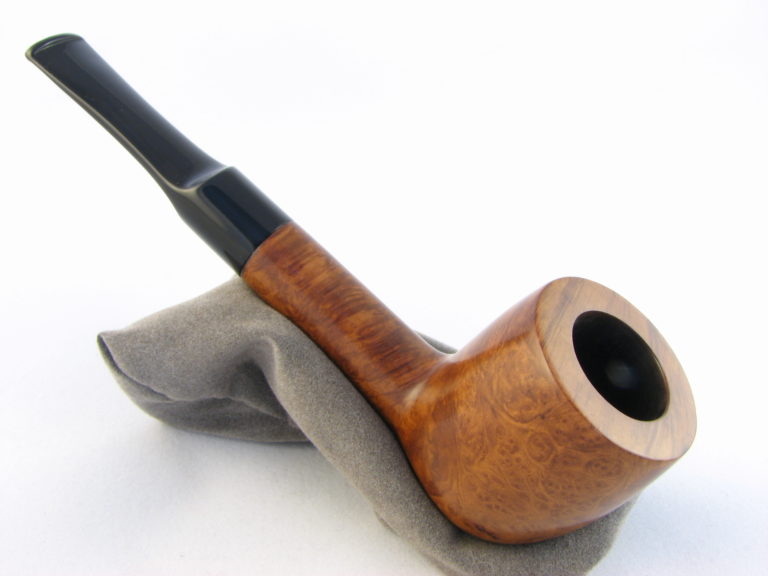
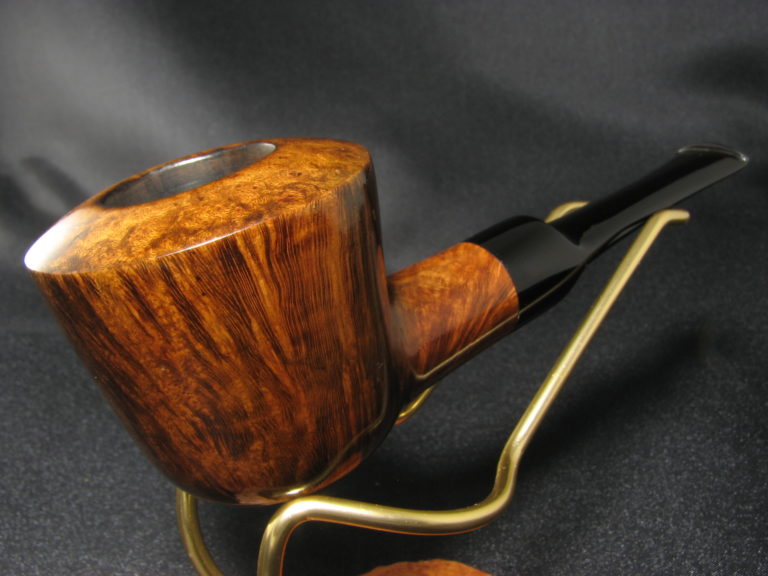
H. Simmons was one of the most famous London tobacconists with a long history and very nice tobacco shop in Burlington Arcade. The pipes were ordered from different sources including the Dunhill company. In 1980 the business was acquired by Dunhill. We can’t confirm that exactly this pipe was made by Dunhill; but it’s anyway a wonderful piece of briar and a great (Hand Made!) addition to any collection.

The pipe markings are “H. SIMMONS \ HAND MADE”, “MADE IN \ LONDON. ENGLAND”. The length is 13.6 cm (5.35″), bowl’s height is 3.7 cm (1.46″). External diameter of the bowl is 3.9 cm (1.54″), internal diameter is 2.2 cm (0.87″). The depth is 3.1 cm (1.22″) and this pipe weights 35 gr. Briar, vulcanite stem, no filter.

Similar Posts

  • BJARNE Hand-Carved

    Denmark, 1980-90s “He could have been an ambassador for his country, but instead he became an ambassador for Danish pipes”. Bjarne Nielsen’s career was really untypical and unique. Many pipe makers came from different areas, there were engineers, telecommunication technicians, blacksmiths, and so on and so forth. However that was a highly unexpected move for…

  • CHARATAN’S MAKE Perfection 4148DC unsmoked

    England, 1960-70s The Charatan’s pipe of a quite rare series: the Perfection grade was introduced during the “second Lane era”, 1965-1976 and followed the highly popular and respected Special grade, though production of Perfection pipes seemed to be rather occasional than regular. The grain is contrast and clear, the shape is traditional for Lane era…

  • DUNHILL Bruyere 21061

    England, 1979 In the beginning Dunhill created Bruyere. And several years (1910-1917) it was the single brand made by the company of a firm and dense Calabrian briar. And though pre WWII “bruyeres” were marked just by a letter “A” instead of model, the Bruyere series is the one of the oldest long-livers not only…

  • Reject London Made

    England There will be a number of pipes marked “Reject” in our collection. This mark doesn’t mean that the pipe is of a poor quality. Moreover the most of “rejects” are pipes from production lines of famous manufacturers rejected due to minor issues with a grain or a small cavern in wood. Such small defects…

One Comment

Leave a Reply

Your email address will not be published. Required fields are marked *