BRAKNER Antique 1092
Denmark, 1960-70s Very elegant and lightweight dublin pipe from one of the most bright and mysterious Danish carvers, Peter Brakner.

Denmark, 1960-70s Very elegant and lightweight dublin pipe from one of the most bright and mysterious Danish carvers, Peter Brakner.

England, 1950-70s A pleasant representative of the very popular Comoy’s second line from the 1950-70s. Traditional English middle size billiard becomes an eye-catching, unusual and even a bit “freehandish” look with the newly made fancy acrylic stem.

England, 1960s A Charatan’s pipe from the “Lane era” (1960 – middle 1970s), the period of the brightest blossoming of this brand, delightful shapes and grains, which eclipsed all others pipe makers including Dunhill. A nicely made Belvedere series pipe of the highly collectable lumberman shape!
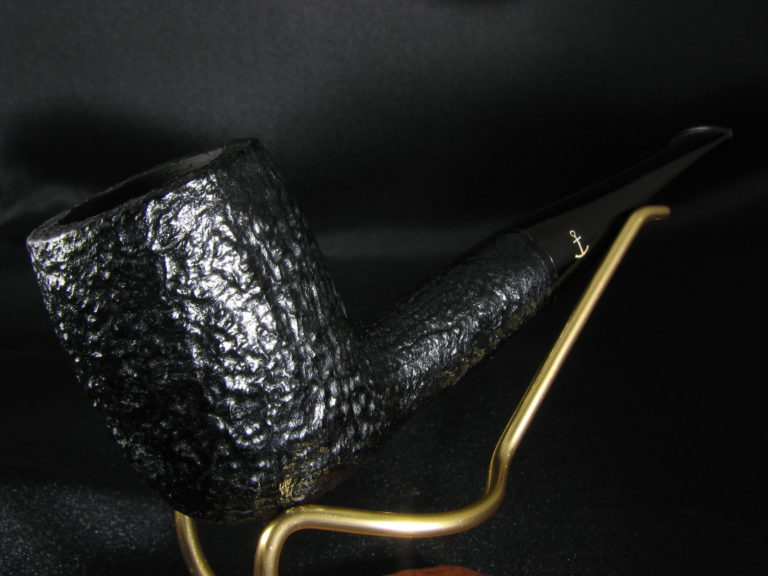
England An amazing English indeed Orlik pipe dedicated to favorite tobacco of many pipe smokers around the world. Black clear sandblasted finish, anchor logo on the stem, the box designed similarly to the tobacco pouch – all attributes of a nice present to your friend or to yourself!

Denmark, 1960-70s An very stylish and unusual freehand pipe from one of the most bright and mysterious Danish carvers, Peter Brakner.

England, 1996 This 1996 Dunhil Shell Briar pipe is one of the youngest pipes in our collection. Nevertheless Dunhill is allways Dunhill, stable quality and successful marketing made the company name iconic among pipes smokers around the Globe. Therefore no further explanations are necessary. The pipe didn’t need too much efforts, it was rather a…

England, 1960s A Charatan’s pipe from the “Lane era” (1960 – middle 1970s), the period of the brightest blossoming of this brand, delightful shapes and grains, which eclipsed all others pipe makers including Dunhill. A nicely made Belvedere series pipe of the quite rare diplomat shape!

USA, unsmoked The origin of this pipe isn’t very much clear. Some experts mention Excelsior pipes made in USA and England, but it look rather like an Italian (or Italian American) – nice briar, rich rustication, tasty combination of the “raw” unstained finish (a little bit polished) and bright acrylic shank extension plus stem. Exactly…

USA, 1930s The pipe from a pre WWII collection. William Demuth Company was one of the most famous and respected pipe makers in USA established back in the 1862. The first big success and fame were achieved with the Presidential series (29 carved meerschaum likenesses of American Presidents). The Royal Demuth series was developed on…
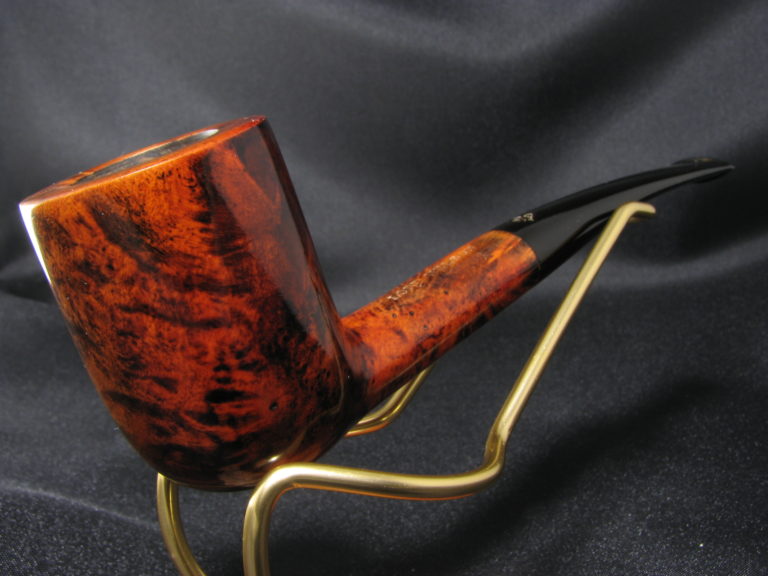
France, 1980-90s, unsmoked A nicely made (and still unsmoked!) French bent dublin pipe made approximately in the last decades of the XX century. Some sources claim the “Lord Nelson” brand was made by Comoy’s in England but the lily logo on the stem indicates its French origin, the most probably Chacom or some other St…