dunhill root briar

  • DUNHILL Root Briar 42081, 1978

    England, 1978 Initially Dunhill didn’t pay any special attention to a grain of briar. Perhaps, the public opinion had not been ready yet to a “straight grain” and material of early Bruyere pipes didn’t differ by a remarkable grain. But in 1931 Root Briar series was started. The pipes were made of Corsican briar, wonderful…

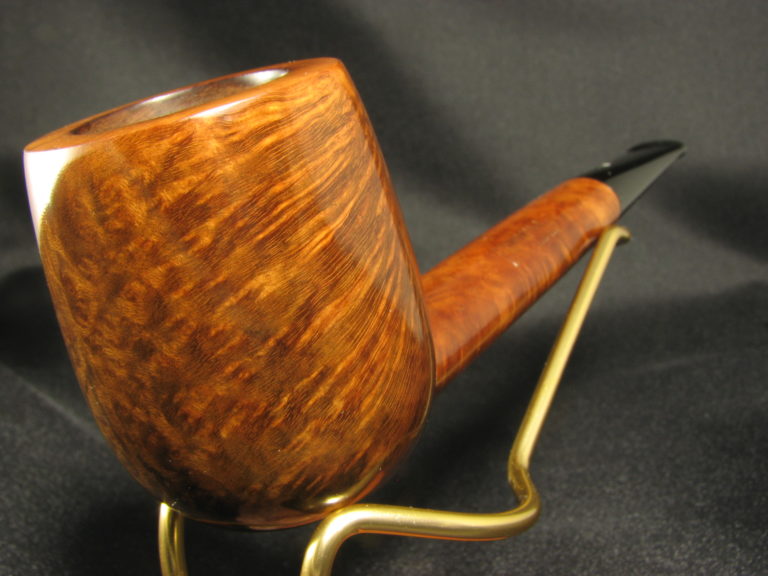
  • DUNHILL Root Briar 4108

    England, 1978 Initially Dunhill didn’t pay any special attention to a grain of briar. Perhaps, the public opinion had not been ready yet to a “straight grain” and material of early Bruyere pipes didn’t differ by a remarkable grain. But in 1931 Root Briar series was started. The pipes were made of Corsican briar, wonderful…
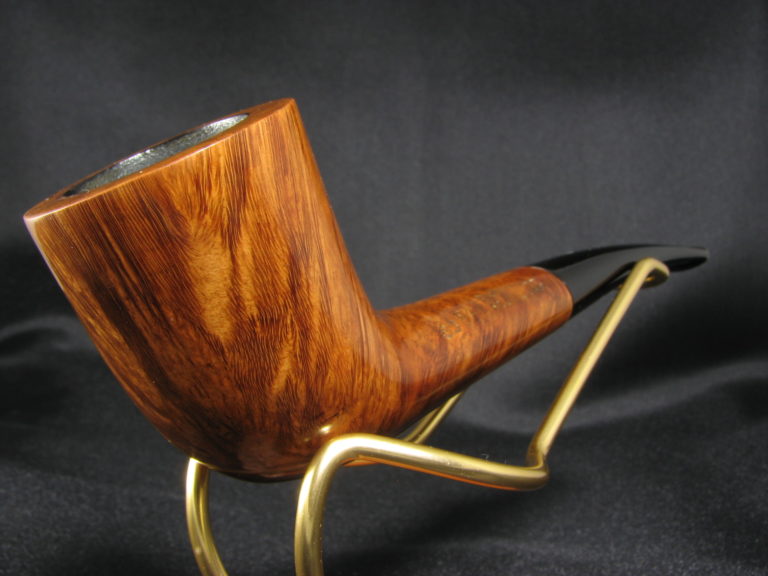
  • DUNHILL Root Briar 5109

    England, 1986 Initially Dunhill didn’t pay any special attention to a grain of briar. Perhaps, the public opinion had not been ready yet to a “straight grain” and material of early Bruyere pipes didn’t differ by a remarkable grain. But in 1931 Root Briar series was started. The pipes were made of Corsican briar, wonderful…

  • DUNHILL Root Briar 83 (1968)

    England, 1968 Thanks to Dunhill’s clearness and punctuality – there’s everything crystal clear with this pipe dating and grading. This is the wonderful and lightweight Root briar pipe (the highest mass market grade) made in 1968. The shape number 83 is called a horn or a yacht – what you like more. Nice, amazing and…

  • DUNHILL Root Briar 463

    England, 1955 Sometimes even a little person can play an essential (if not solving) role in large-scale events. At least there are enough movies with such moral. The same we could say about small enterprises and their influence on development of pipe making art: even a small manufactory can leave its very and very notable…

  • DUNHILL Root Briar 107 3R

    England, 1960s Unlike other competitors Dunhill’s approach to shapes and grades was pedantic and systematic indeed. Pipe smokers want variety. Which variety can we offer when all pipes are with the same white dot? First of all, a size (Group size from 1 till 6). Then a modification of a stem: tapered (0) or saddle…