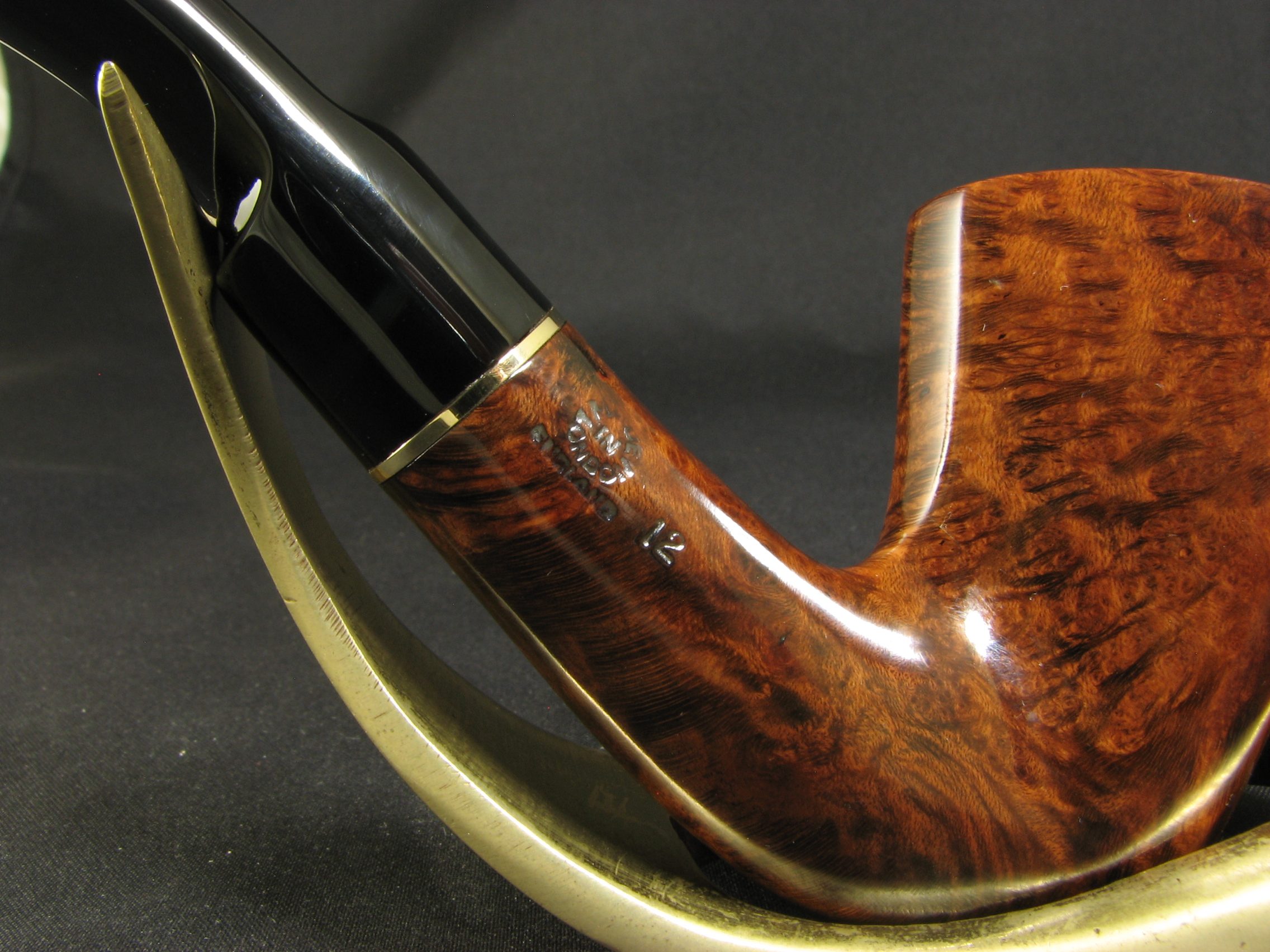
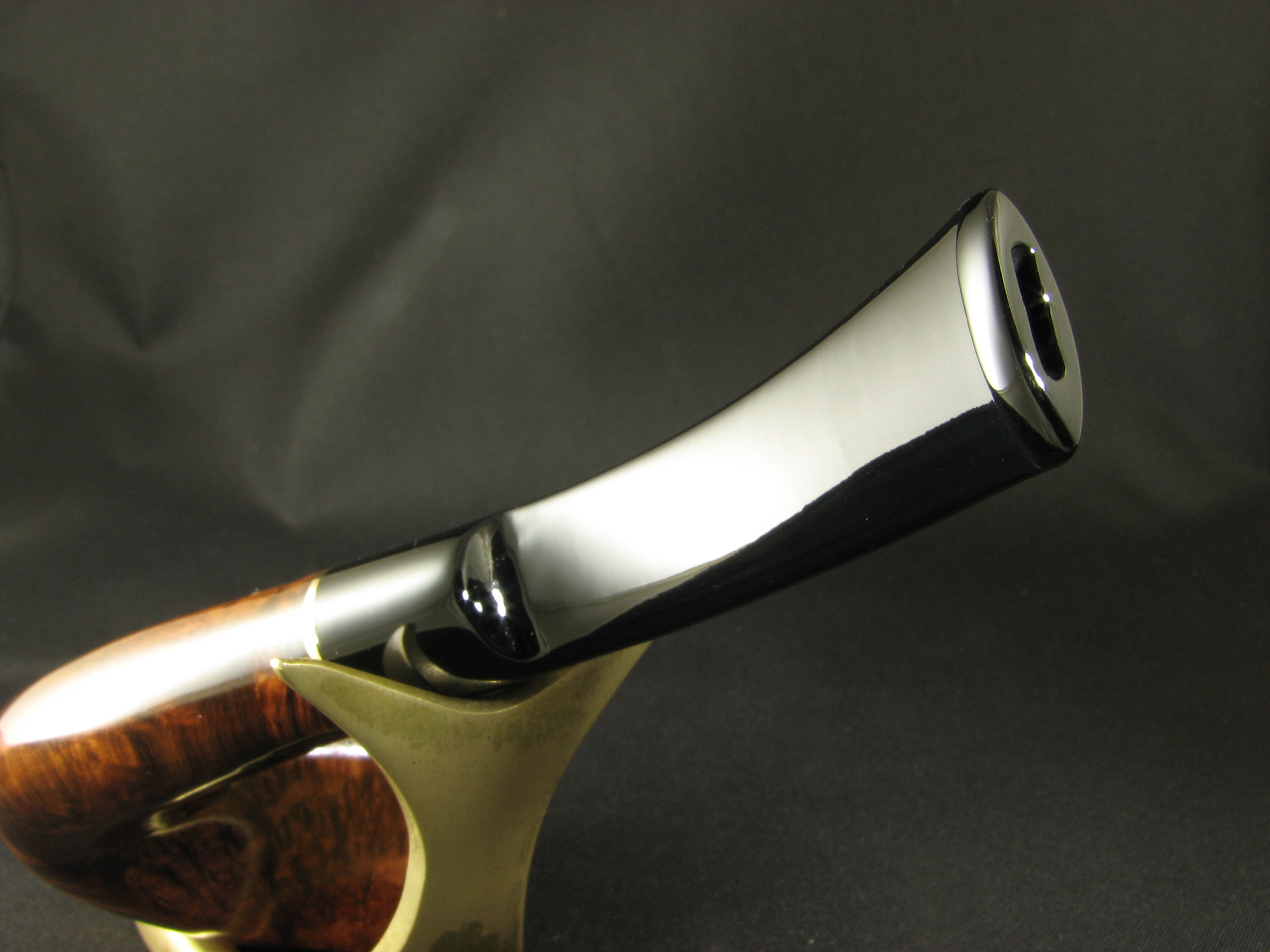
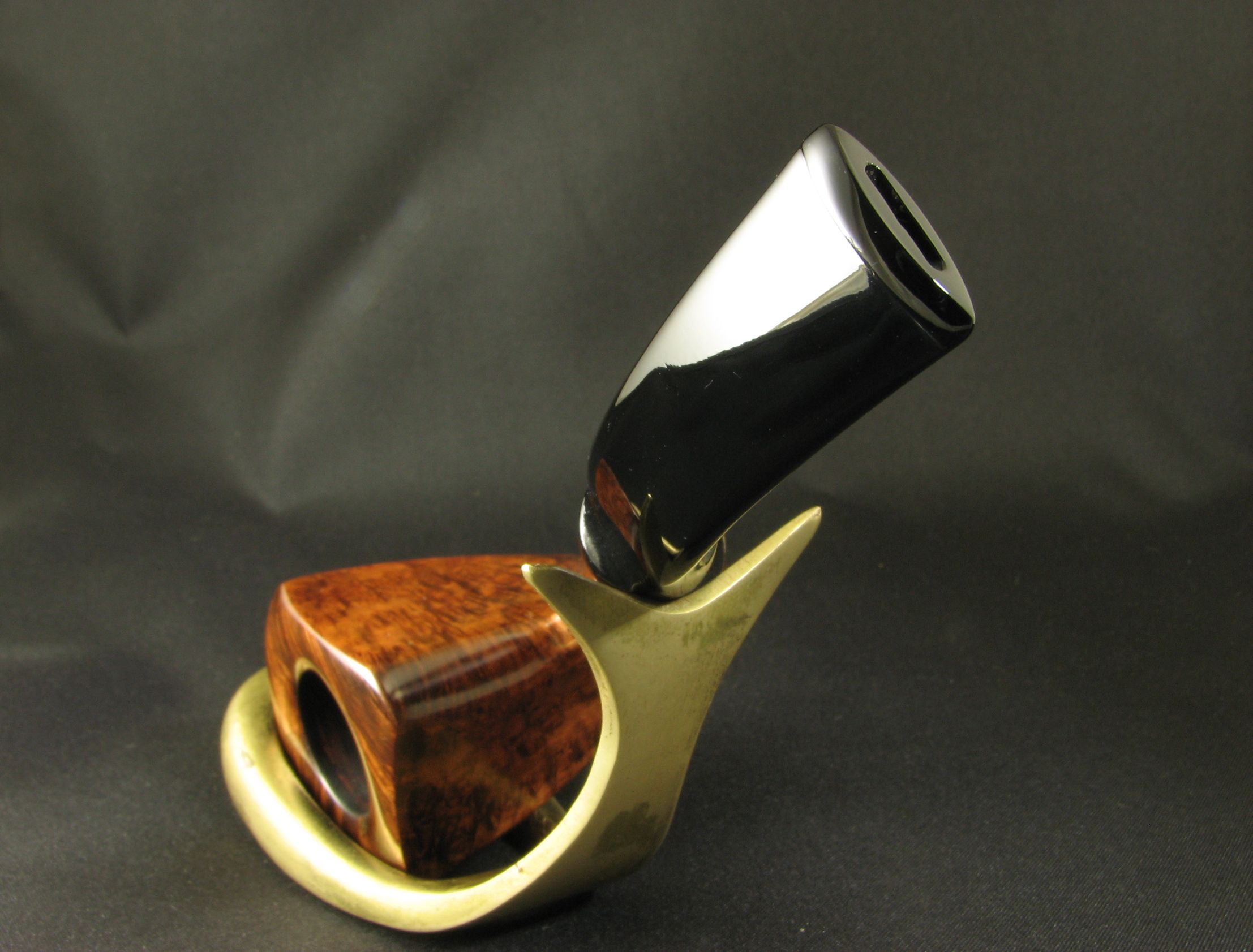
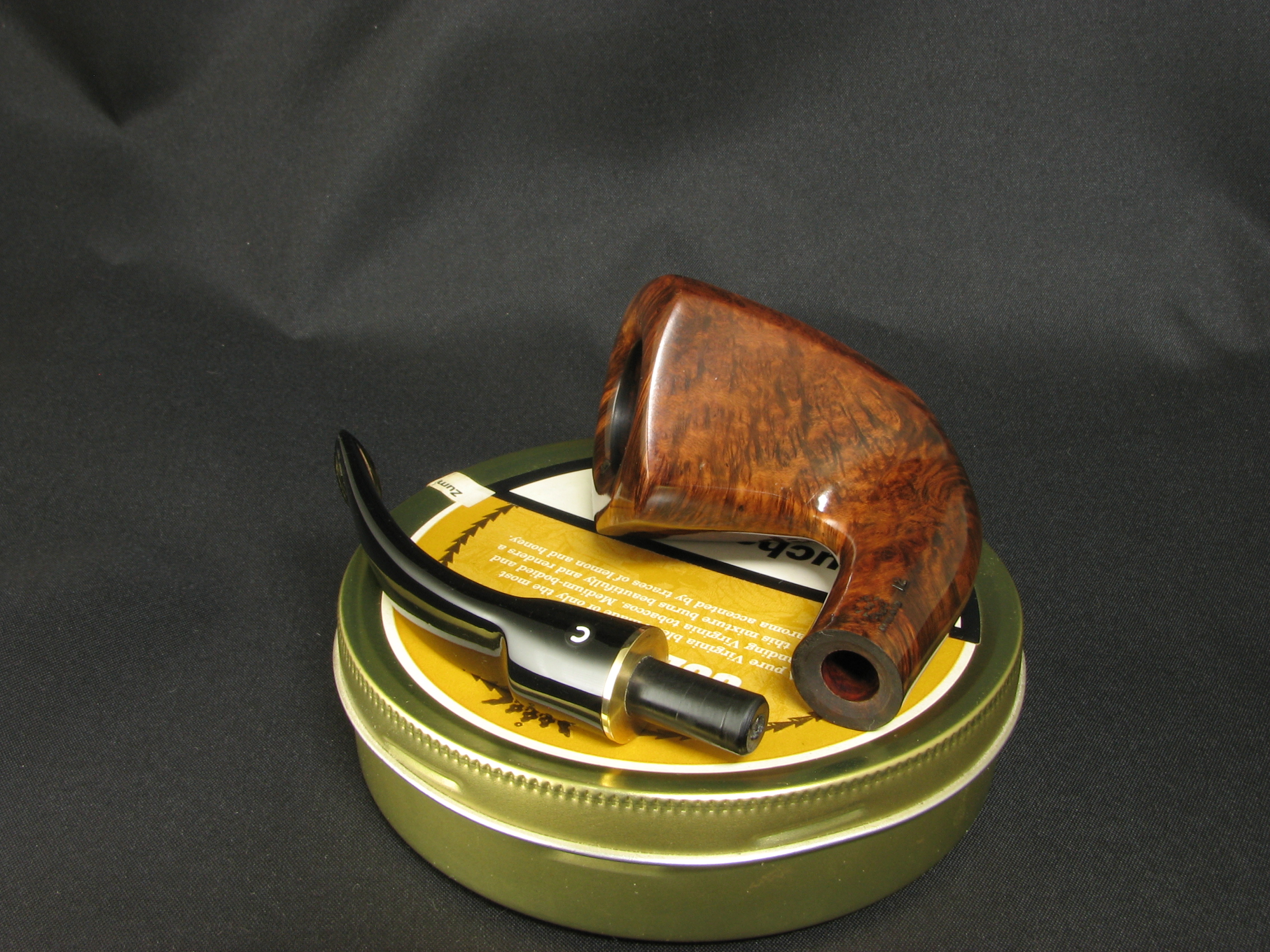
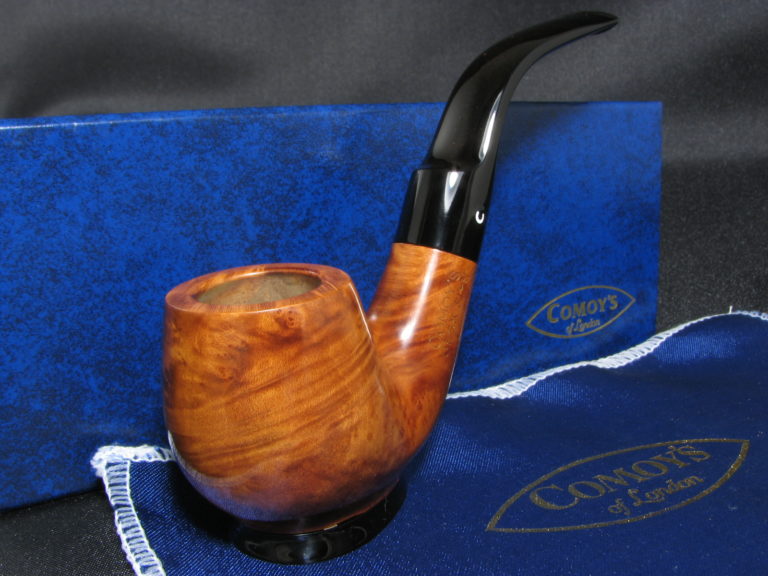
COMOY'S Facet 12

COMOY’S Facet 12

England, 1980-90s

The 1981 merger of Comoy’s and GBD into a single company under the management of the Oppenheimer Group (Cadogan) is viewed with mixed opinions. However, it’s hard to deny that the move spurred the introduction of new technologies and the creation of fresh, interesting series and shapes.

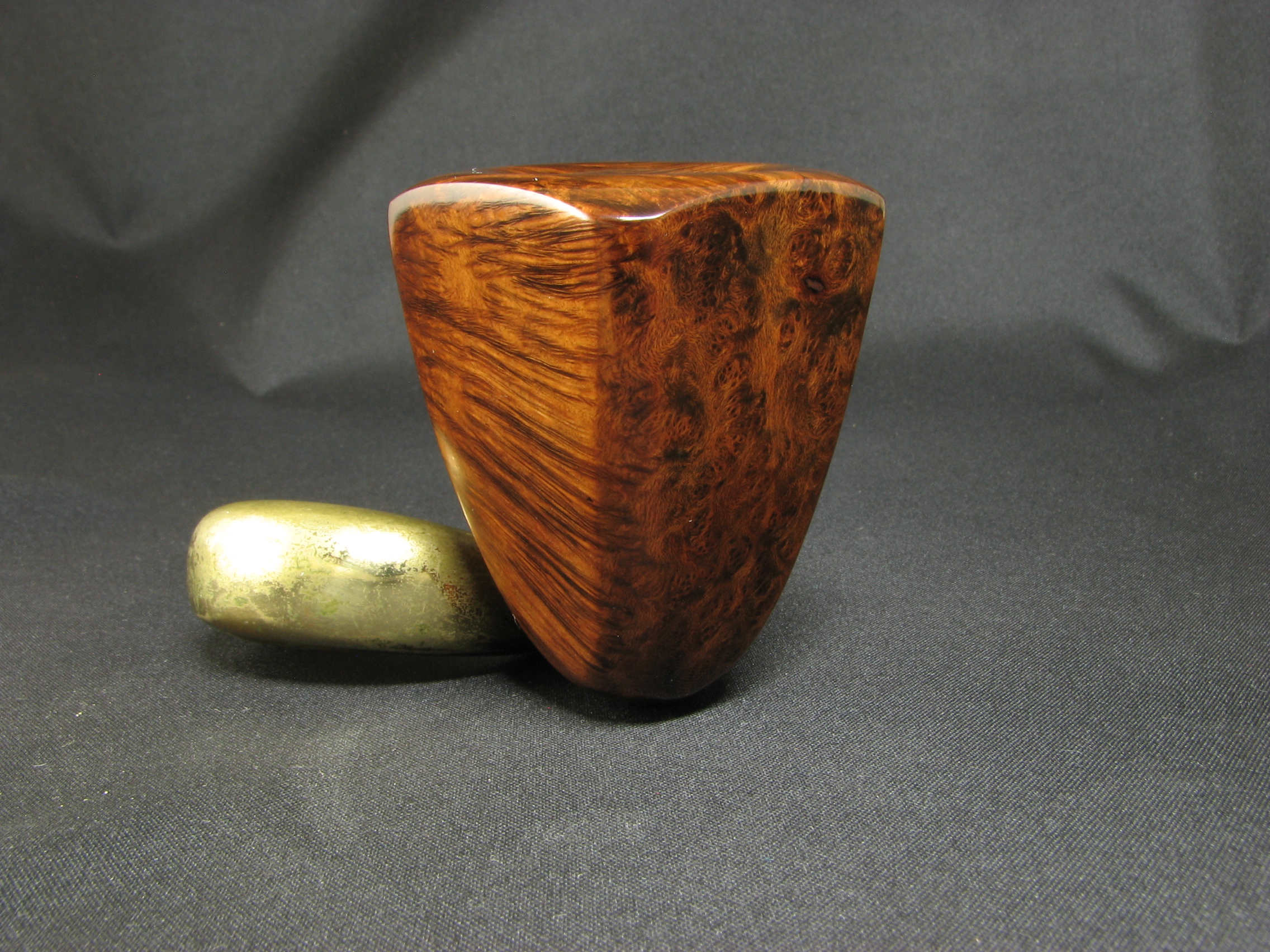
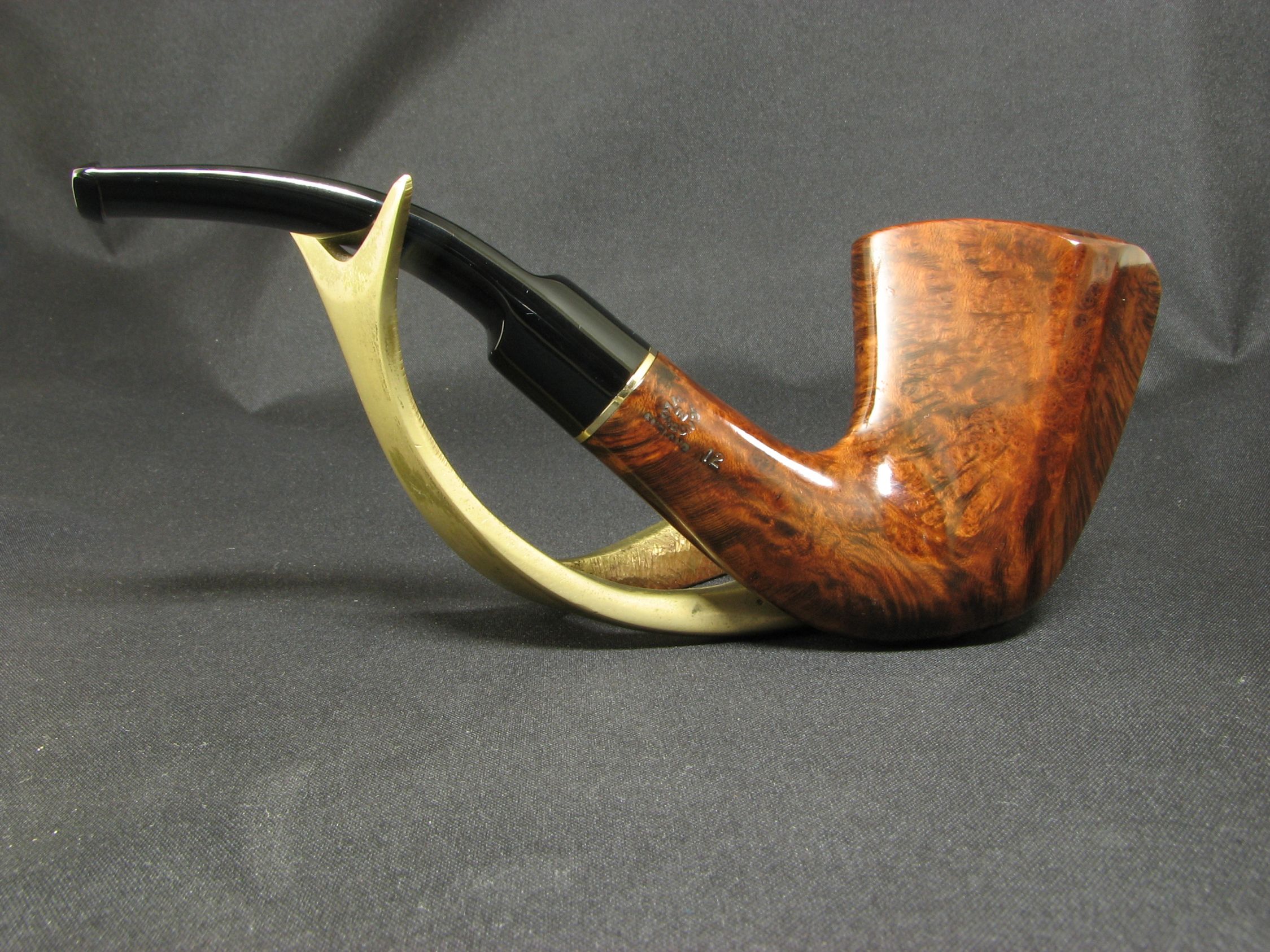
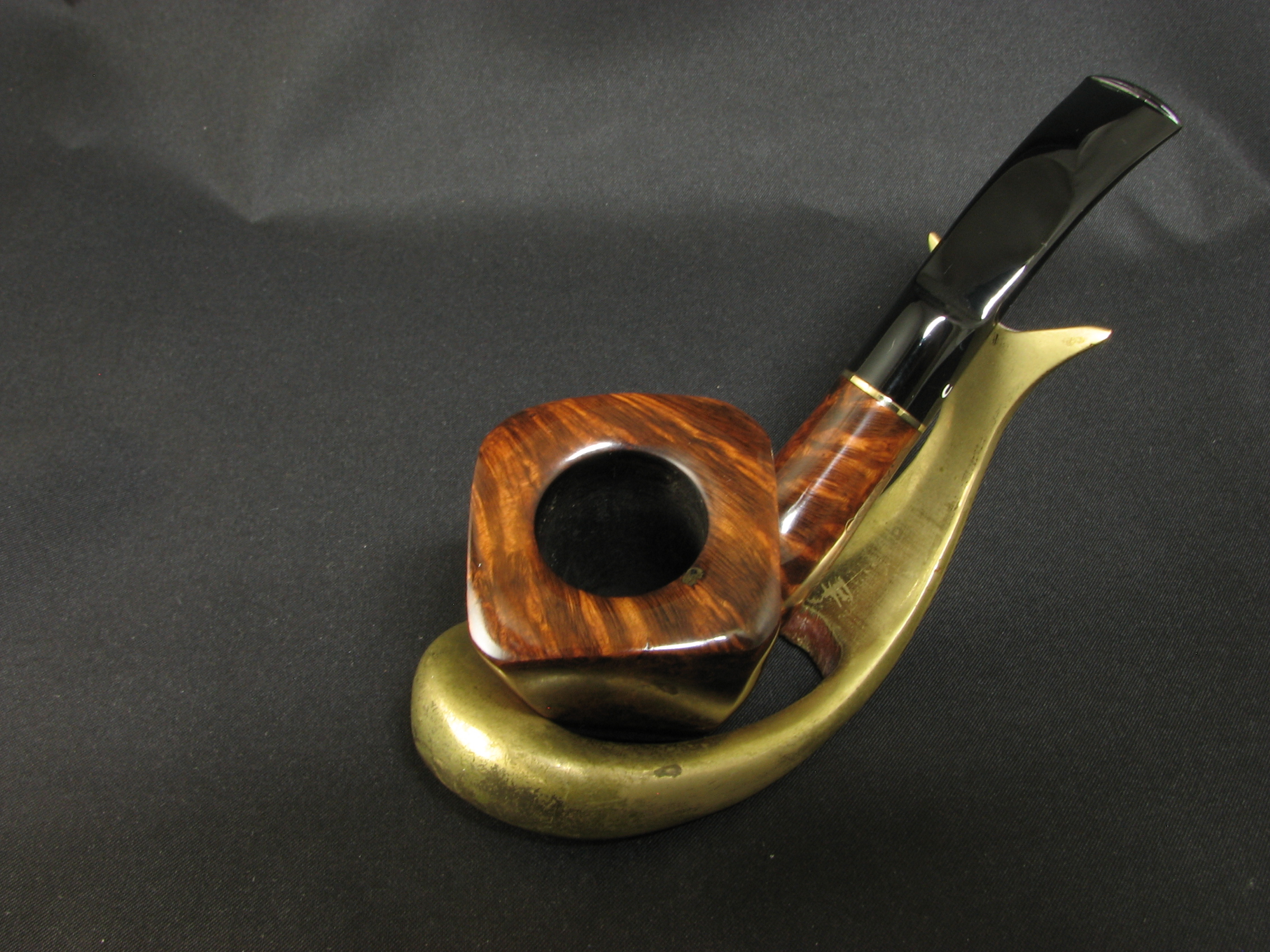
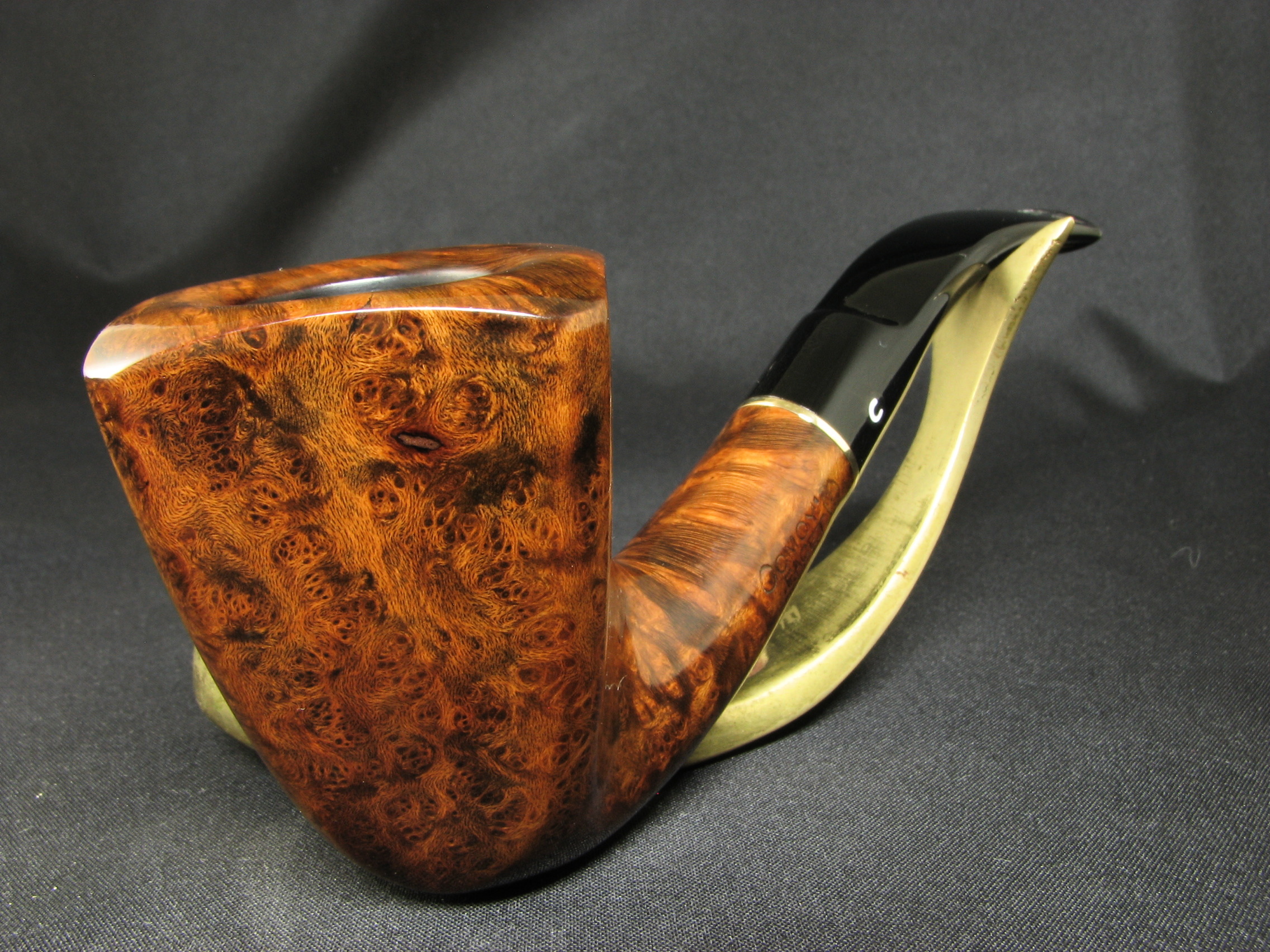
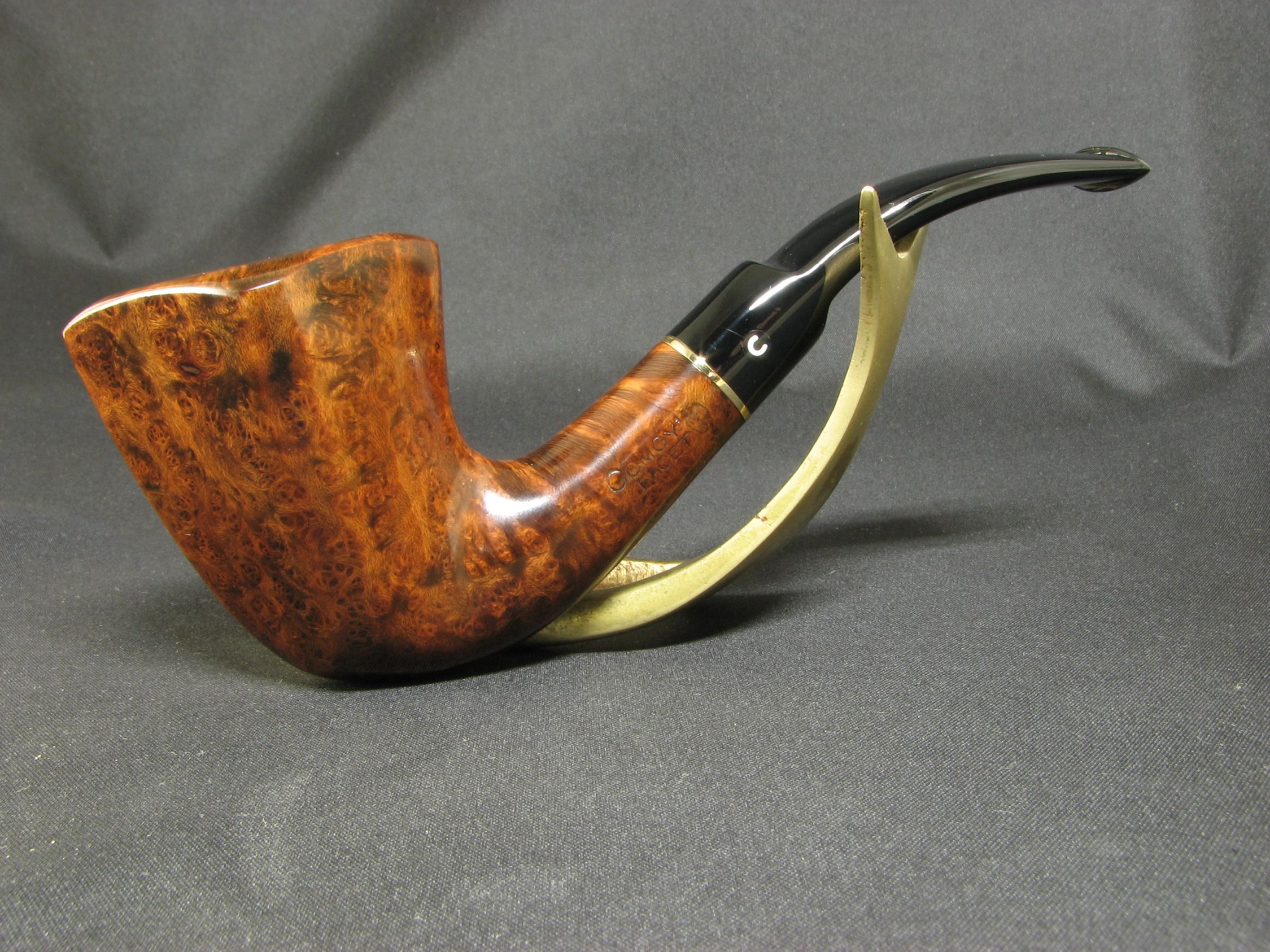
One successful example is today’s Comoy’s Facet — featuring a striking four-sided bowl, vivid grain pattern, and a stylish modern acrylic mouthpiece. A pleasing piece of work.

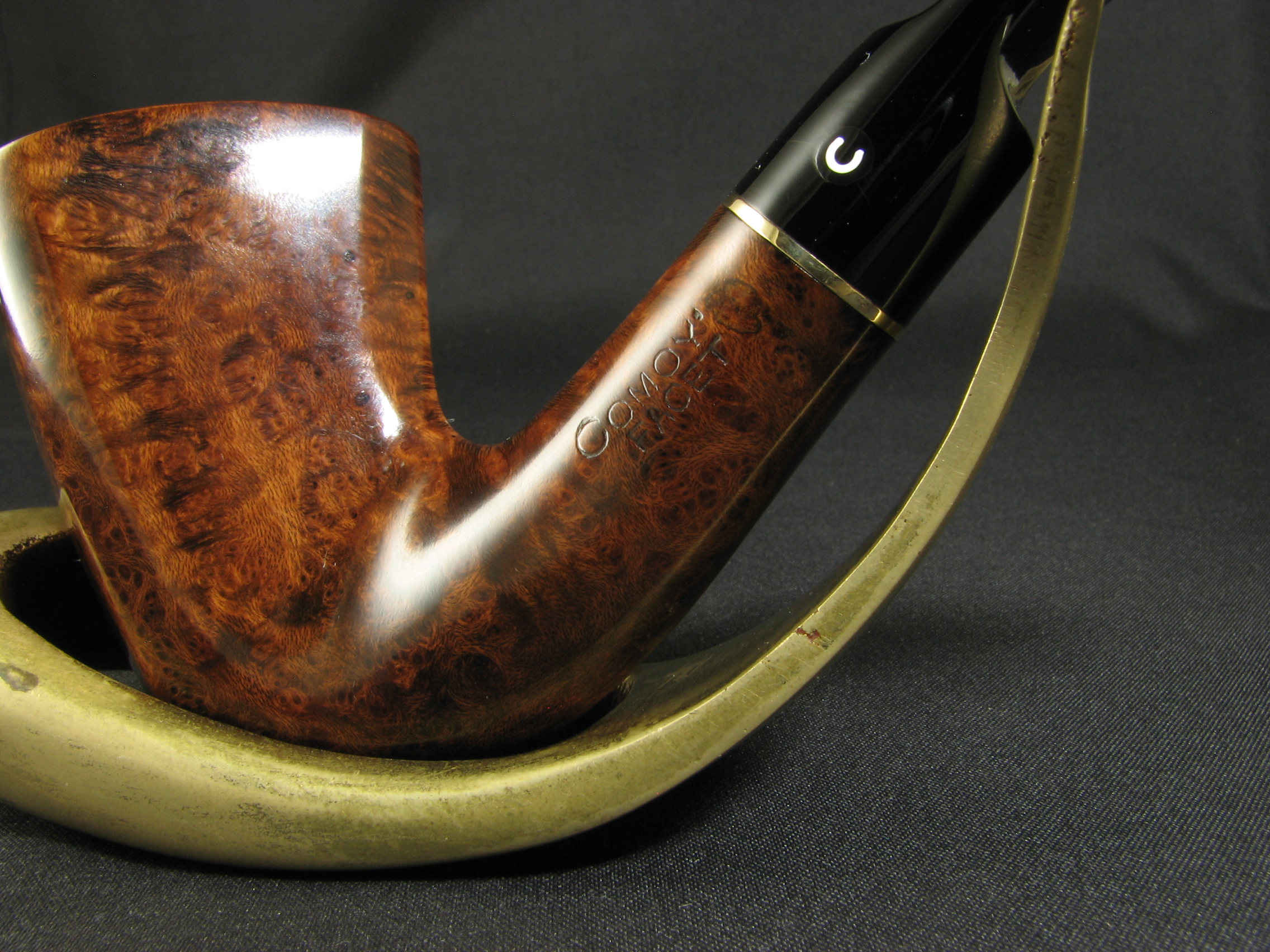
Pipe markings “COMOY'(S) \ FACET”, “MADE \ IN \ LODON \ ENGLAND”, “12”
Length 14.1 cm (5.55″)
Bowl Height 5.6 cm (2.2″)
Outside Diameter 3.7 cm (1.46″)
Chamber Diameter 2.0 cm (0.79″)
Chamber Depth 4.6 cm (1.81″)
Weight 49 gr.

Briar, acrylic stem, no filter.

The pipe is not for sale. It was restored to order and has already started a new life in a new cozy home.
Similar Posts

  • COMOY’S Astor 9

    England, 1950-70s This Comoy’s series was named most probably in honour of the famous Astors family known for its prominence in business, society, and politics in United States and the United Kingdom during the 19th and 20th centuries. John Jacob “Jack” Astor IV  was the richest passenger aboard the RMS Titanic in 1912. Astor pipes…

  • COMOY’S Desk Pipe 160S

    England, 1980-90s Almost every pipe needs a stand, so why not to combine the stand and the pipe itself? Looks very useful for a man whose desk is covered with reports, diagrams, financial magazines and whatever else we can imagine 🙂 A beautiful and fresh implementation of this idea from the 1980-90’s made by Comoy’s….

  • COMOY’S Royal 185

    England, 1950-70s The Comoy’s Royal grade is both one of the oldest and one of the rarest to date. Royal Comoy pipes appeared in the late 1930s and were then considered the absolute highest grade. However, very soon, the Royal pipes were replaced by the Blue Ribband series. After the Second World War the Royal…

  • The Guildhall London Pipe 164

    England, 1950-70s There was a legend about a white spot, which was made out of a whole elephant. That is why all pipes with the white spot are so expensive. Perhaps these three aluminium stripes on Guildhall pipes were made from German bombers which were shot-down over London. And as far as there were no…

Leave a Reply

Your email address will not be published. Required fields are marked *