Author: V. K. Pipes

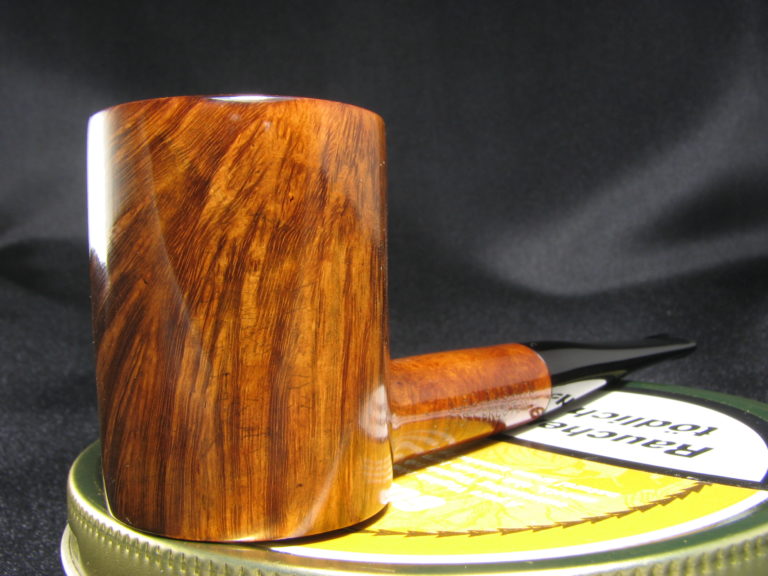
  • CAMINETTO Business 181 KS

    Italy ​A product of cooperation of three Italians: Guiseppe Ascorti, Luigi Radice and Gianni Davoli. The brand was produced in 1970’s and was very popular on both sides of Atlantic ocean. The name Caminetto comes from “a small chimney” (camino in Italian). Very unusual shape, amazing blast. We can only remark a bit higher drilling…

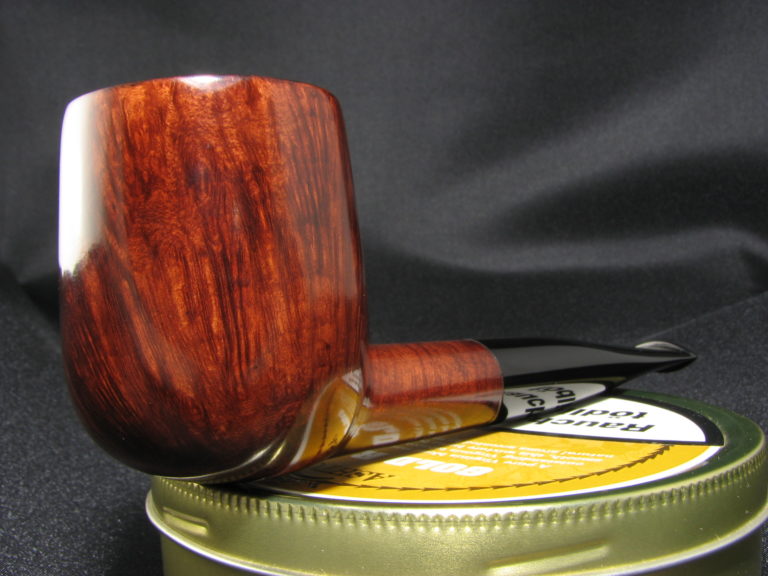
  • JOHN REDMAN Canberra 134

    England A convincible eye-catching traditional English lovat pipe made on the John Redman factory in London in the middle of the XX century. Canberra line was positioned as an upper middle grade, it contained both convincing and well styled classical shapes and freehands and fancy creatures. The pipes were popular among smokers as good and…

  • JOHN REDMAN Aristocrat

    England An amazing upper range pipe from John Redman! From the first look it’s something between a bull dog and dublin pipes; both the bowl and stem were made by really good and creative carvers and the pipe with its attractive grain looks very uncommon. The pipe doesn’t have a shape number, it seems it…

  • BARLING Londoner 494

    England, 1960-70s ​The Londoner pipes were made in 1960-70s both in England and in Danmark (including Erik Nordning pipe factory). There’s no COM stamping on the pipe therefore we can’t say more definitely. But it’s really a great and amazing example of Barling production from that time! The section of the bowl is not an…

  • STANWELL Rhodesian

    Denmark A beautyful large rhodesian pipe from famous Danish manufacturer. The pipe was made in middle 1970s the earliest, but the most likely – at the end of the XX century or beginning of the XXIst. Such pipes are still regularly offered by different internet shops.

  • CHACOM Sandblast 129

    France One of the best-known pipe companies, Comoys, existed long time as the distributed family business. The founding father Henry Comoy emigrated in 1879 from France to England, but the St Claude factory remained for a long time the supplier of briar and turned bowls . Soon management passed to Henry’s sons who took in a share theirs…