
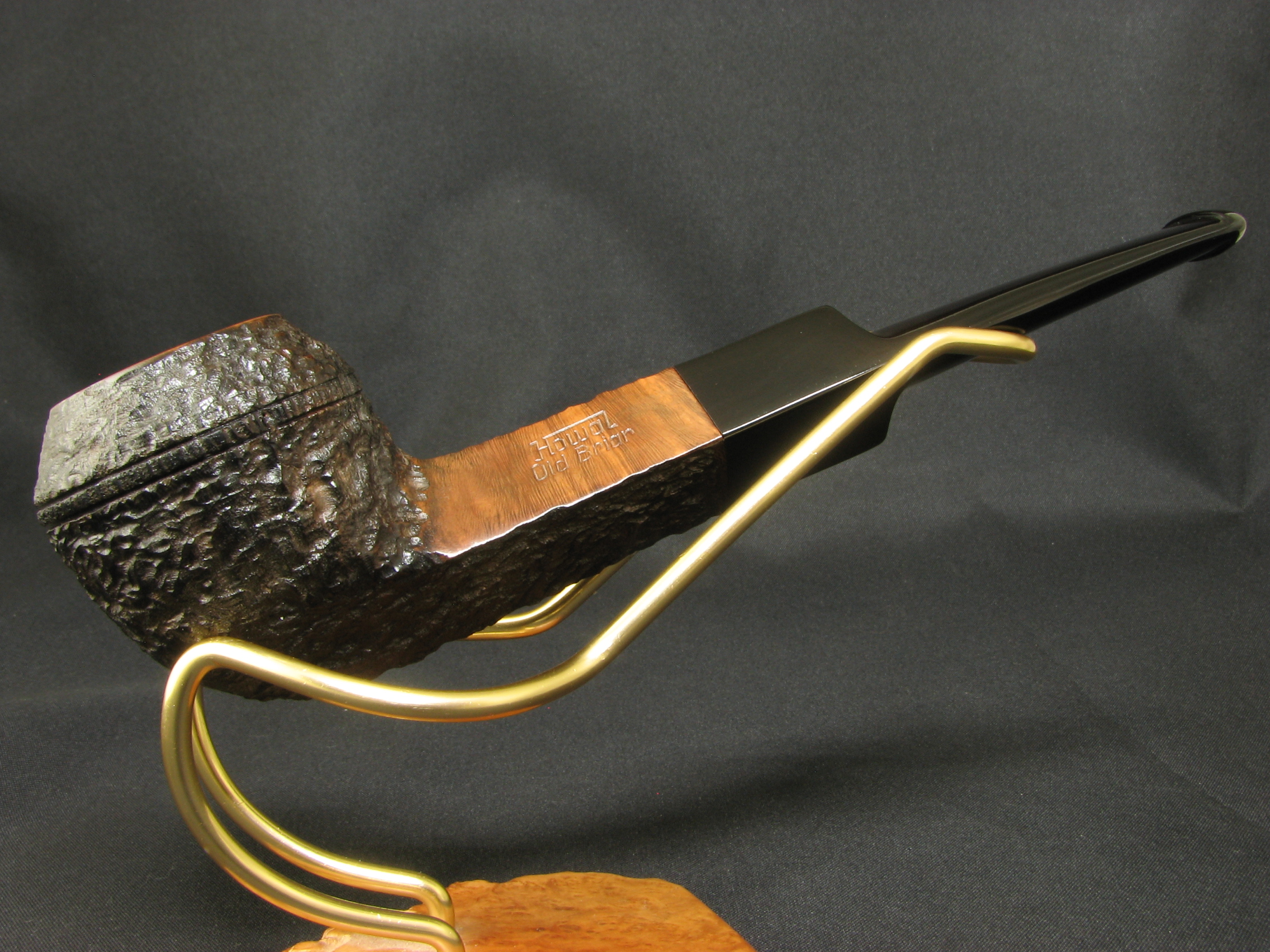
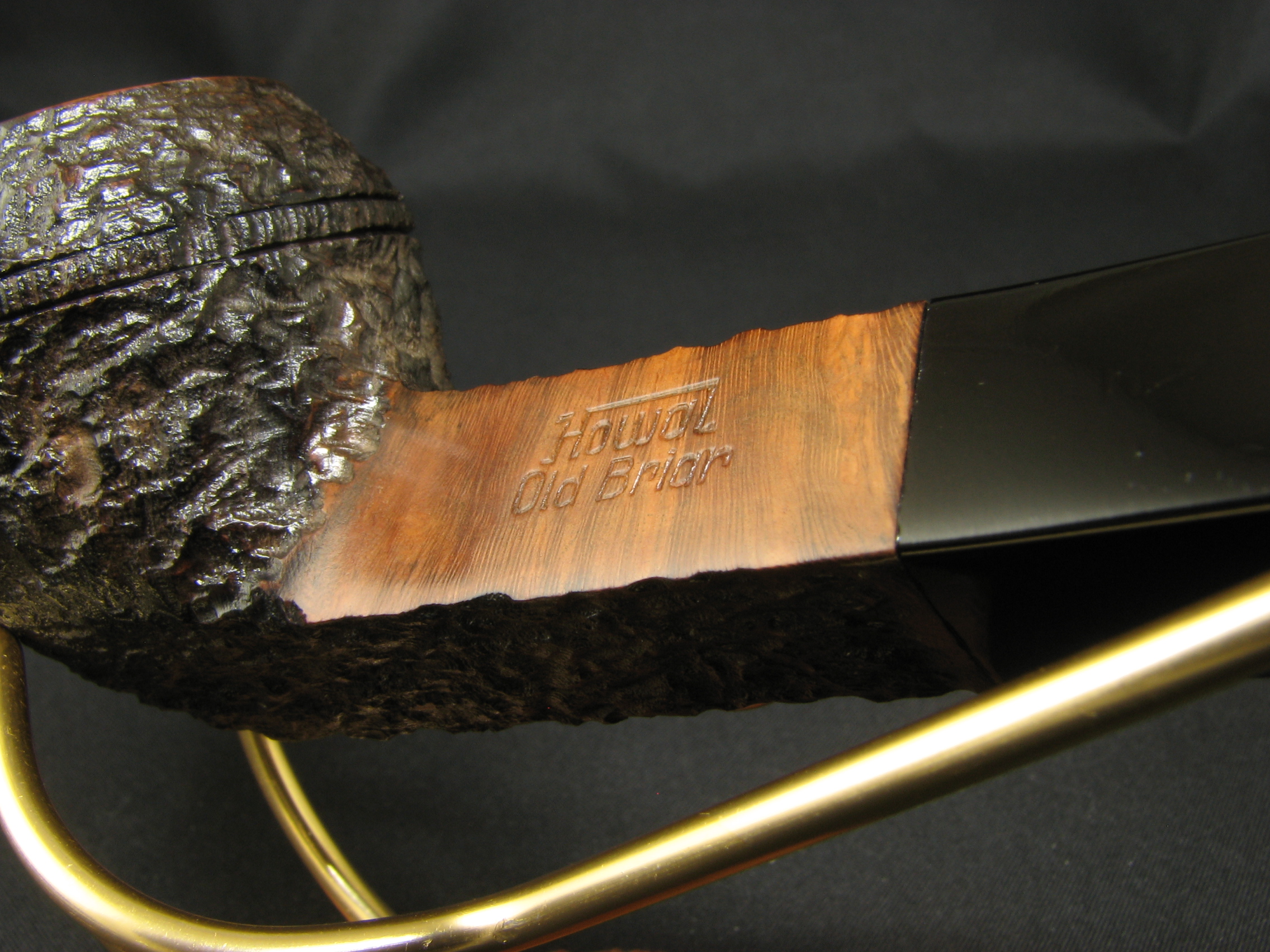
HOWAL Old Briar
$64.00
It would be good to start by saying that Schweina in Thuringia could well have laid claim to the role of Germany’s St Claude; however, to be honest, neither the economic conditions nor the political and historical circumstances were likely to favour such a development.
The largest pipe-making business in Germany was founded by Carl Sebastian Reich (C. S. Reich) in 1887, after he had gained experience working in the family firm, August Reich Söhne (since 1864), alongside his father and brother. However, it was disagreements with the latter that prompted Carl Sebastian to strike out on his own. We have read something similar in the fairy tale ‘Puss in Boots’.
Di seguito la traduzione in italiano / Italian translation is below
Description
By the early 20th century, it had already become a major manufacturer. Admittedly, its 100 German workers in 1909 were significantly fewer than the nearly 900 employed by Rossi in Italy at the time; however, one suspects that the difference lay not only in production volumes but also in the technological solutions employed.
The first major upheaval came with the First World War and the economic crisis that followed. Against the backdrop of reduced raw material supplies, C. S. Reich skilfully diversified, offering other wooden products as well as high-quality carpentry tools, including some protected by its own patents. The 1935 tool catalogue would impress any experienced craftsman – indeed, carpenters still enjoy using such tools to this day.
The Second World War was not a disaster for the company – Reich needed soldiers, soldiers wanted to smoke pipes, and C. S. Reich met that demand. However, with the establishment of the Soviet-backed German Democratic Republic in East Germany, everything went awry. The company’s owners at the time were arrested in 1952, and the state-owned enterprise ‘VEB Pfeifen und Holzerzeugnisse Bad Liebenstein’ began operating from its facilities. Consequently, the brand was renamed Howal (HOlzWAren Liebenstein – wooden goods from Liebenstein, Bad Liebenstein being the town that gradually absorbed Schweina).
Although some specialists managed to flee to West Germany, the existing production capacity, traditions, and craftsmanship did not disappear without a trace; the company continued to operate successfully and had even absorbed all other pipe manufacturers in the GDR by the 1970s.
The turning point came in 1990, following the fall of the Berlin Wall. The planned economy could no longer function, businesses were closing down, and ‘VEB Tools and Measuring Devices Schweina’ was no exception. Three years later, Design Berlin bought the remaining assets of the company and established its own production.
So today we have a humble witness to one of the most totalitarian and ruthless regimes in European history. We do not know who the first owner was – perhaps a Stasi agent, perhaps a mid-level Party functionary, or perhaps a grey-moustached German engineer reading ‘Neues Deutschland’ in the evening and thinking of his children, who had long since settled in the West.
Historische Werkzeugkataloge:
https://www.holzwerken.de/museum/hersteller/howal.phtml
https://kataloge.holzwerken.de/index.html?name=reich_cs&lfdnr=1
https://www.holzwerken.de/museum/hersteller/fabriken.phtml
Reborn Pipes:
https://rebornpipes.com/tag/howal-bruyere-pipe/
Pipe markings: “Howal \ Old Briar”
Length 13.9 cm (5.47″)
Bowl height 3.9 cm (1.54″)
Outside diameter 3.6 cm (1.42″)
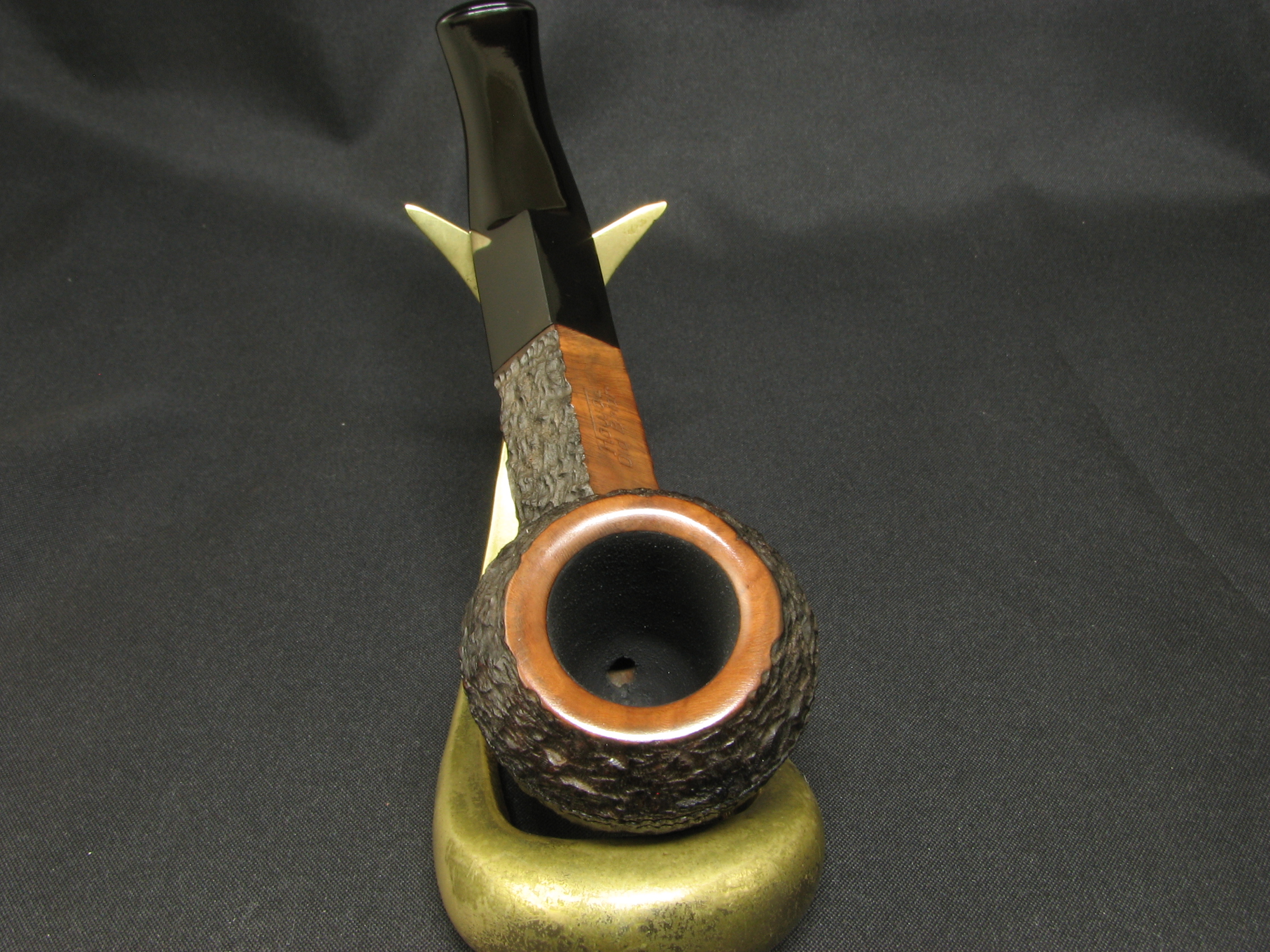
Chamber diameter 1.7 cm (0.67″)
Chamber depth 2.8 cm (1.1″)
Weight 30 g
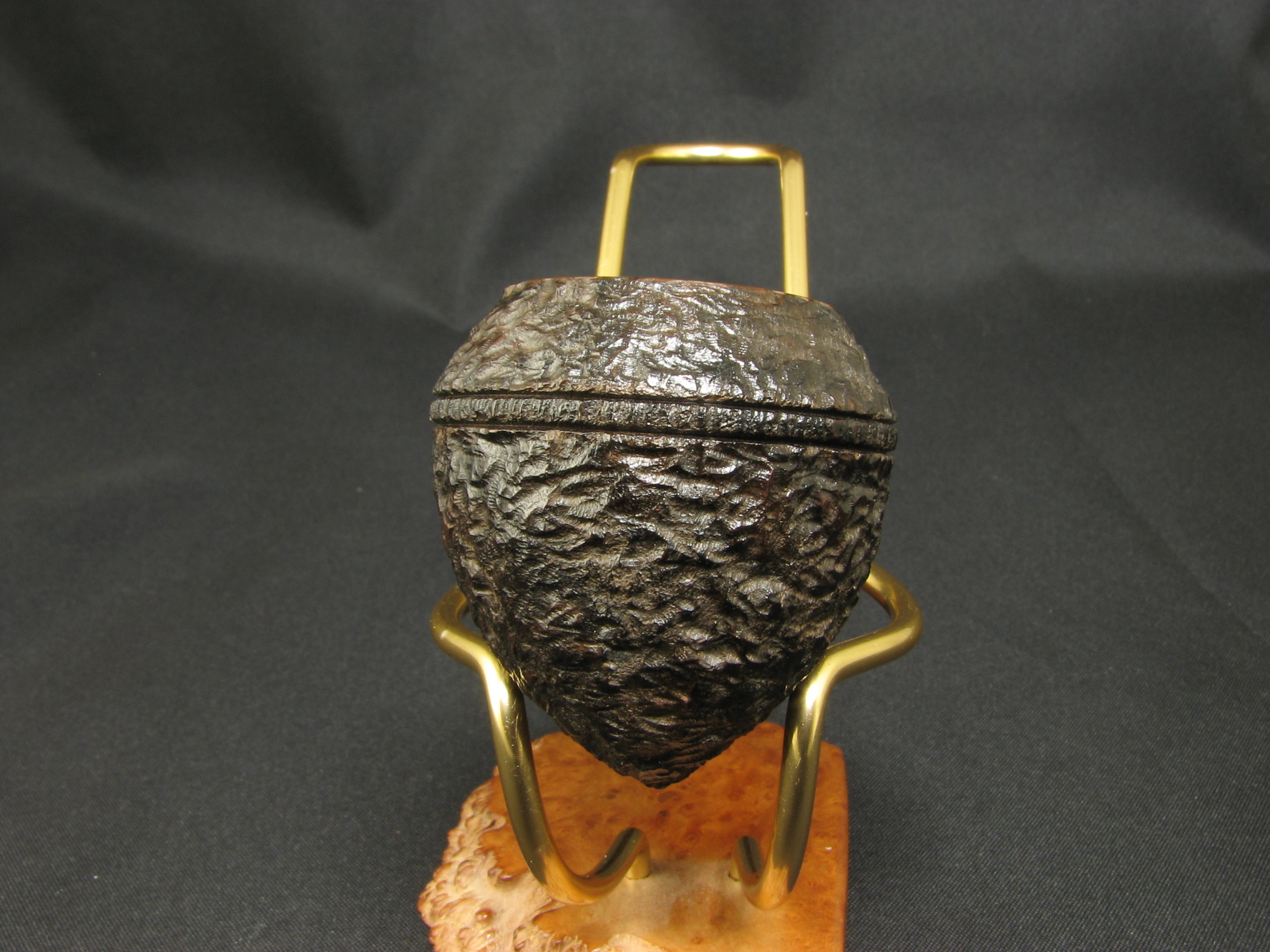
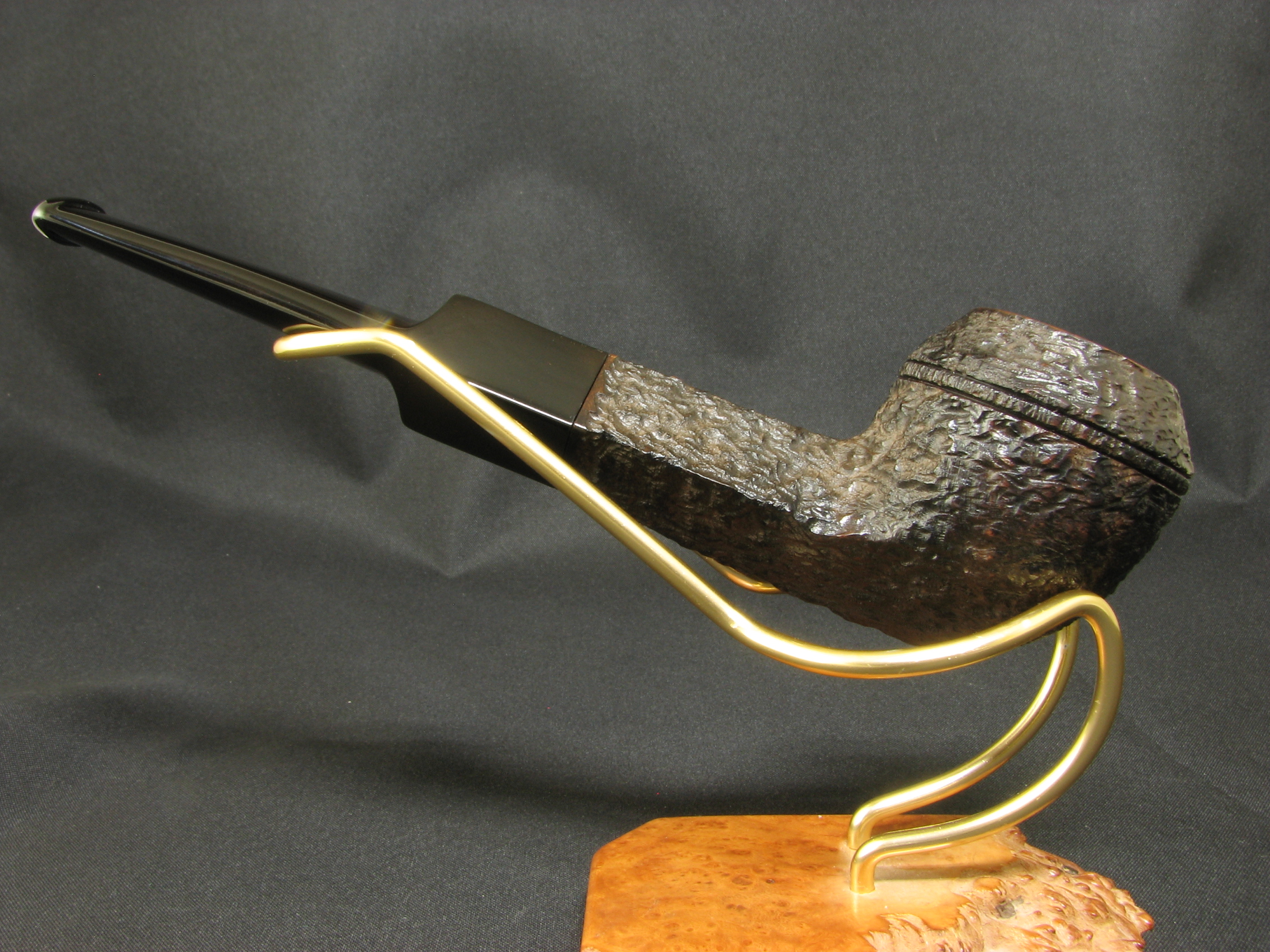
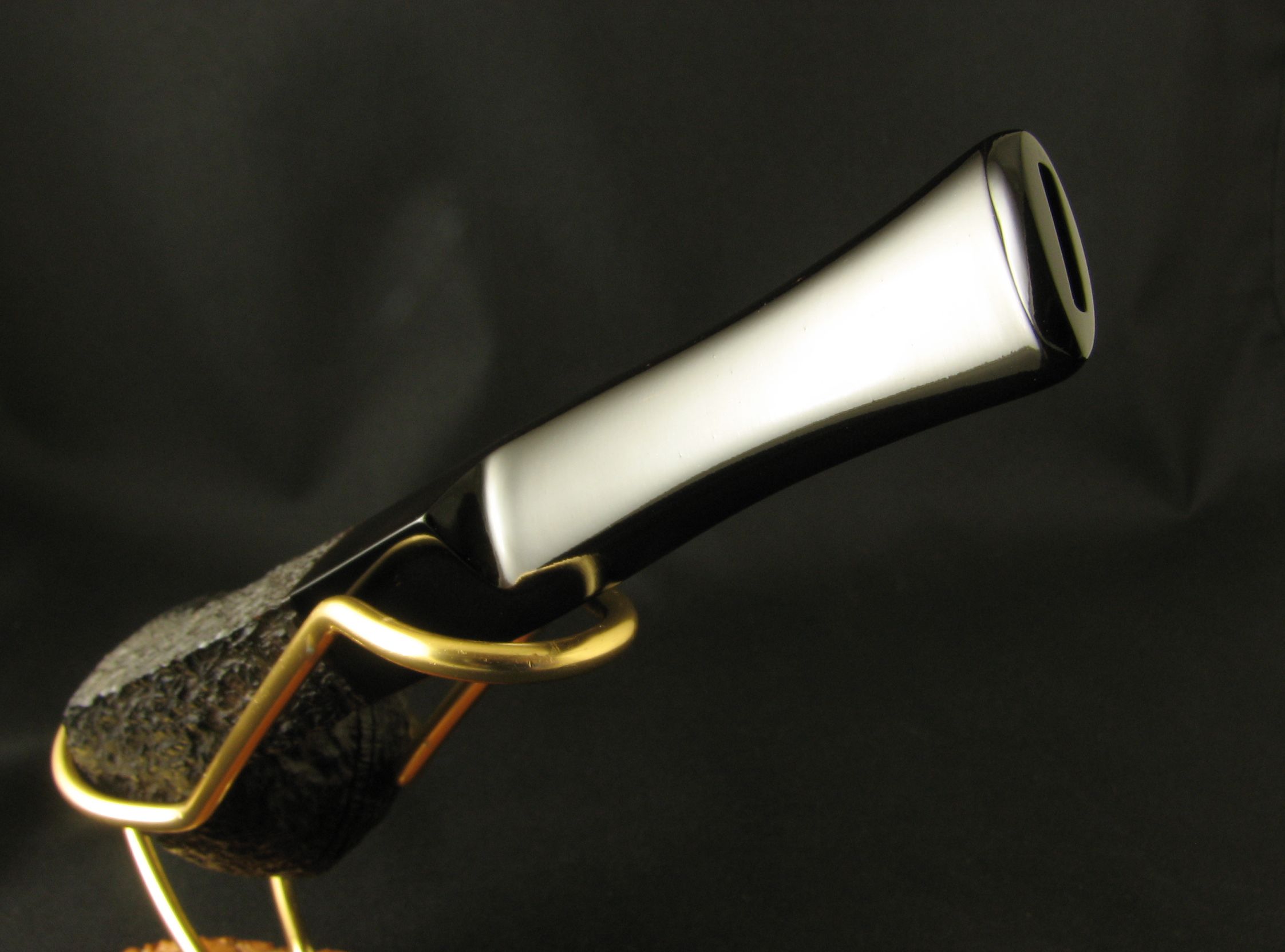
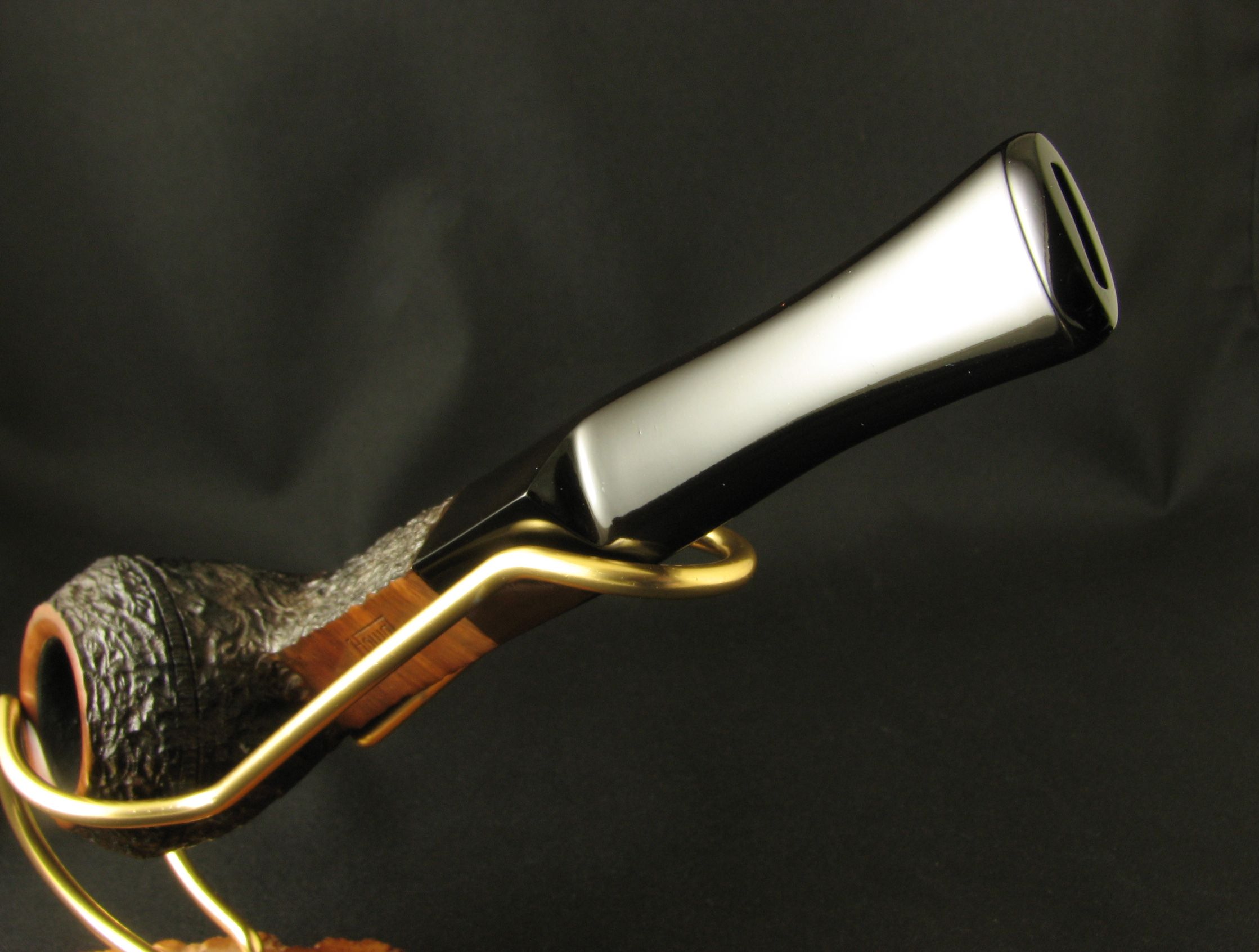
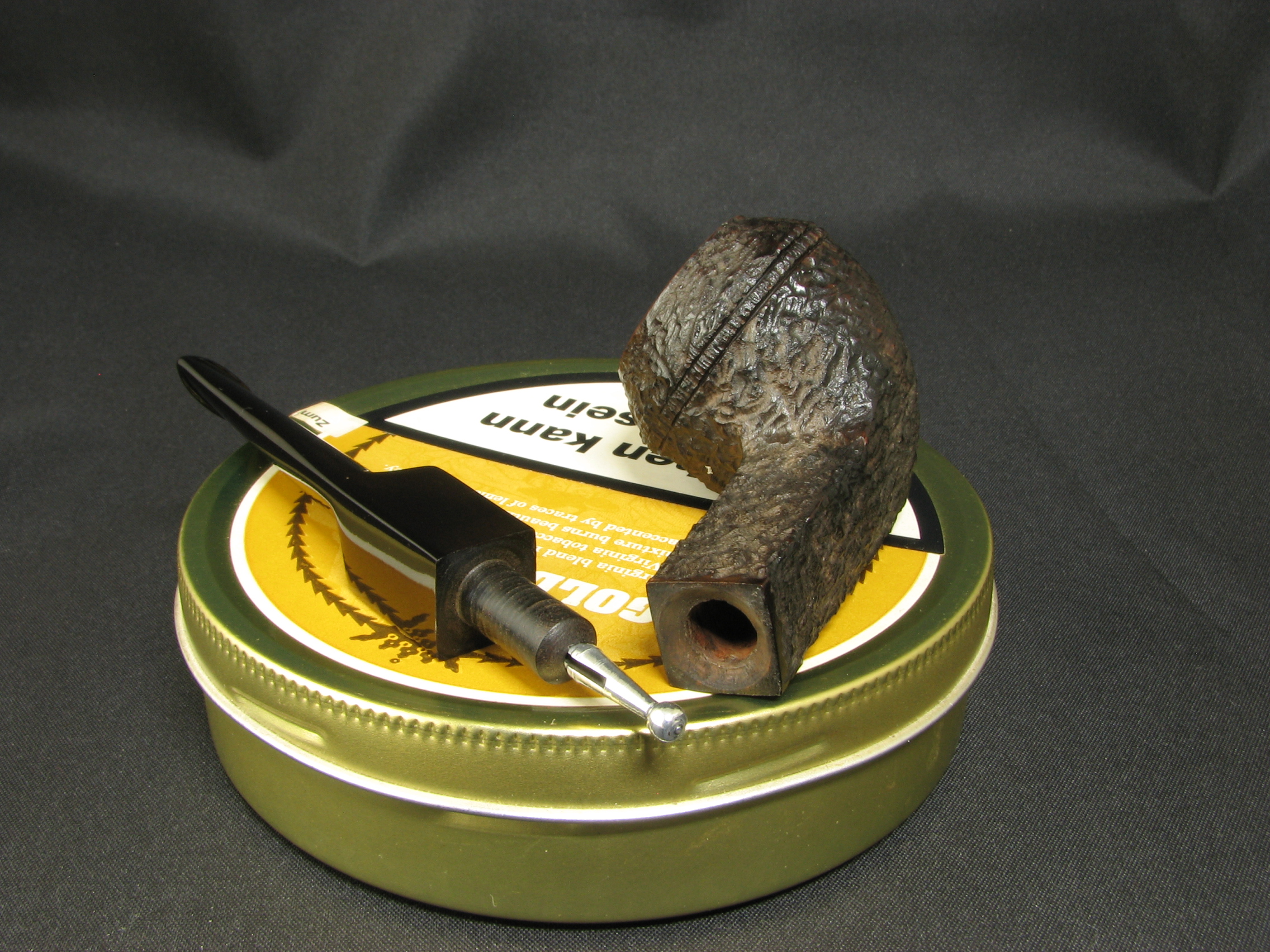
Briar, vulcanite stem, aluminium air cooler.
The pipe has been thoroughly cleaned, polished, sanitised, and is now ready for a new life.
The catalogue pages are, of course, included for informational purposes only; we do not offer carpentry tools.



Sarebbe opportuno iniziare dicendo che Schweina, in Turingia, avrebbe potuto aspirare a diventare la Saint-Claude della Germania; tuttavia, a dire il vero, né le condizioni economiche né le circostanze politiche e storiche sembravano favorire uno sviluppo di questo tipo.
La più grande azienda tedesca produttrice di pipe fu fondata da Carl Sebastian Reich (C. S. Reich) nel 1887, dopo che questi aveva maturato esperienza nell’impresa di famiglia, August Reich Söhne (dal 1864), lavorando accanto al padre e al fratello. Furono però proprio i dissapori con quest’ultimo a spingere Carl Sebastian a mettersi in proprio. Una storia che abbiamo già letto nella fiaba del “Gatto con gli stivali”.
All’inizio del XX secolo l’azienda era già diventata un importante produttore. Certo, i suoi 100 operai nel 1909 erano ben lontani dai quasi 900 impiegati dalla Rossi in Italia nello stesso periodo; tuttavia, si sospetta che la differenza non risiedesse soltanto nei volumi di produzione, ma anche nelle soluzioni tecnologiche adottate.
Il primo grande sconvolgimento arrivò con la Prima guerra mondiale e con la crisi economica che ne seguì. Di fronte alla riduzione delle forniture di materie prime, la C. S. Reich diversificò abilmente la propria attività, offrendo altri manufatti in legno oltre a utensili di falegnameria di alta qualità, alcuni dei quali protetti da brevetti propri. Il catalogo degli utensili del 1935 impressionerebbe qualsiasi artigiano esperto; del resto, i falegnami apprezzano ancora oggi strumenti di questo tipo.
La Seconda guerra mondiale non fu una catastrofe per l’azienda: il Reich aveva bisogno di soldati, i soldati volevano fumare la pipa e la C. S. Reich soddisfaceva questa domanda. Con la nascita della Repubblica Democratica Tedesca sotto influenza sovietica, però, tutto cambiò. I proprietari dell’azienda furono arrestati nel 1952 e nei loro stabilimenti iniziò a operare l’impresa statale “VEB Pfeifen und Holzerzeugnisse Bad Liebenstein”. Di conseguenza, il marchio assunse il nome Howal (HOlzWAren Liebenstein – prodotti in legno di Liebenstein; Bad Liebenstein era infatti la città che gradualmente assorbì Schweina).
Sebbene alcuni specialisti riuscissero a fuggire nella Germania Ovest, le capacità produttive, le tradizioni e il sapere artigianale non scomparvero nel nulla; l’azienda continuò a operare con successo e negli anni Settanta aveva già assorbito tutti gli altri produttori di pipe della DDR.
La svolta arrivò nel 1990, dopo la caduta del Muro di Berlino. L’economia pianificata non era più in grado di funzionare, le imprese chiudevano una dopo l’altra e “VEB Tools and Measuring Devices Schweina” non fece eccezione. Tre anni più tardi Design Berlin acquistò le attività residue dell’azienda e avviò una propria produzione.
Oggi abbiamo dunque davanti a noi un modesto testimone di uno dei regimi più totalitari e spietati della storia europea. Non sappiamo chi sia stato il primo proprietario: forse un agente della Stasi, forse un funzionario di medio livello del Partito, oppure un ingegnere tedesco dai baffi grigi che la sera leggeva il “Neues Deutschland” pensando ai propri figli, ormai da tempo trasferitisi in Occidente.
Historische Werkzeugkataloge:
https://www.holzwerken.de/museum/hersteller/howal.phtml
https://kataloge.holzwerken.de/index.html?name=reich_cs&lfdnr=1
https://www.holzwerken.de/museum/hersteller/fabriken.phtml
Reborn Pipes:
https://rebornpipes.com/tag/howal-bruyere-pipe/
Marcature della pipa: “Howal \ Old Briar”
Lunghezza 13,9 cm
Altezza della testa 3,9 cm
Diametro della testa 3,6 cm
Diametro del fornello 1,7 cm
Profondità del fornello 2,8 cm
Peso 30 g
Radica, bocchino in ebanite, condensatore in alluminio.
La pipa è stata accuratamente pulita, lucidata, sanitizzata ed è ora pronta per una nuova vita.
Le pagine del catalogo sono naturalmente incluse esclusivamente a scopo informativo; non vendiamo utensili da falegnameria.
Reviews
There are no reviews yet.