N. MILLER

N. MILLER

Unknown

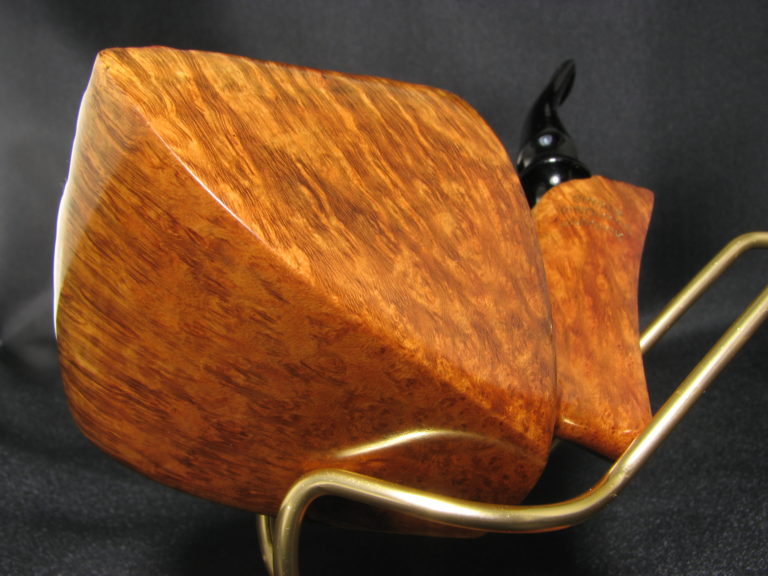
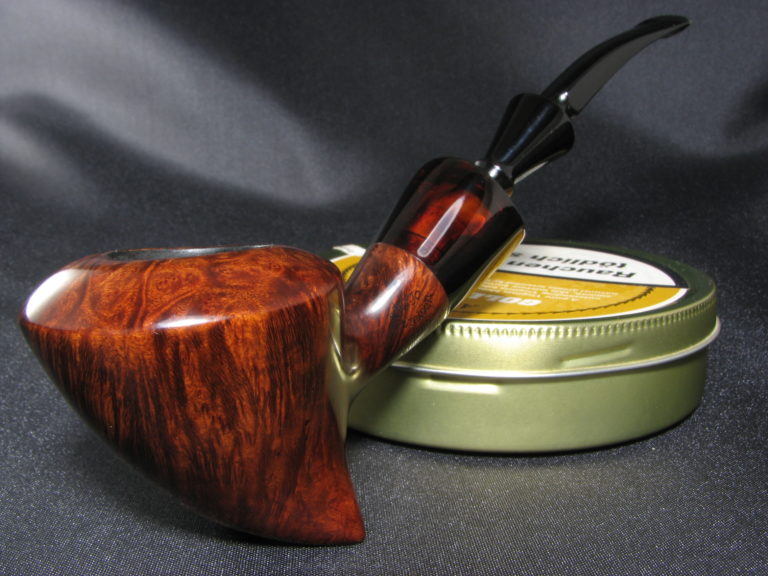
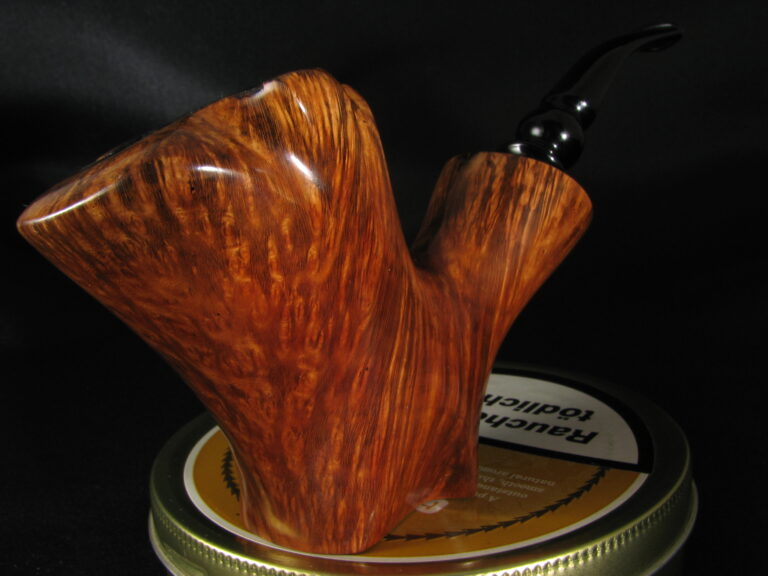
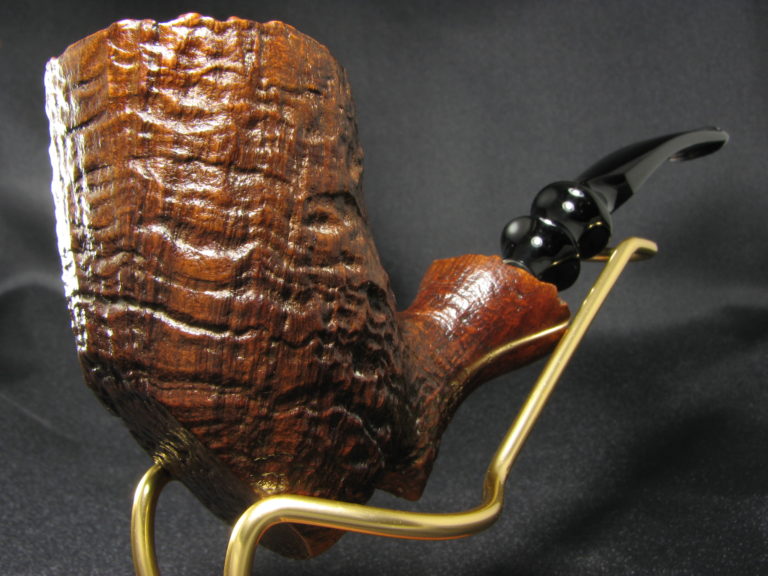
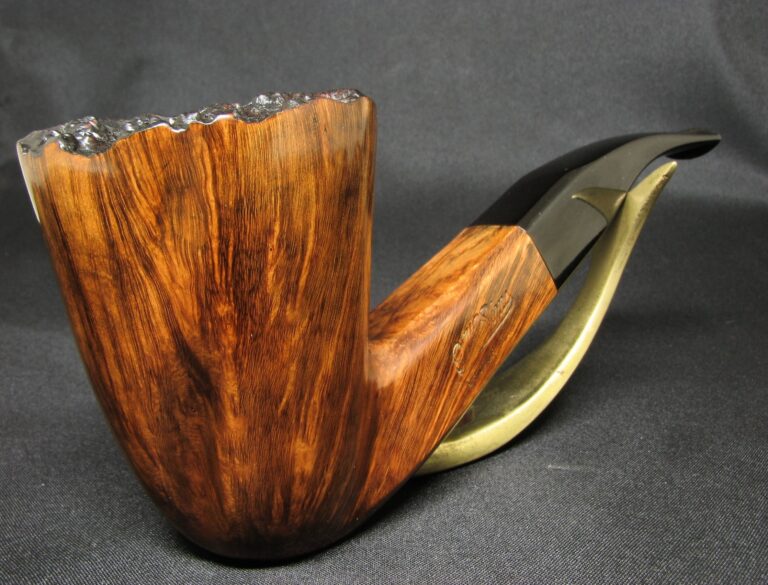
Unfortunately we don’t have an information about  Mr. Miller and don’t know where he lives. The surname Miller (Mueller etc) is very wide and popular in different countries and it’s equally written both in English and in Danish. Nevertheless we can say for sure that Mr. Miller possessed good skills of the pipe carving and has fine samples of briar. Definitely Mr. Miller had refined taste and excellent understanding of the pipe usability.  His (very Danish by style) pipe strikes with its size and excellent grain and sits in a hand amazingly conveniently.

​The pipe markings are”N. Miller”. The length is 16.0 cm, bowl’s hight is 7.3 cm. External and internal diameters of the bowl are 5.2 cm and 2.1 cm. The depth is 4.9 cm and this pipe weights 76 gr. Briar, acrylic stem, no filter. The air hole is slightly shifted to the right but we don’t think it’s very crusial for a pipes of such size with the conical chamber. The pipe was very moderately smoked, the chamber is still bright with just a little roughness.


Similar Posts

  • SER JACOPO Granato

    Italy The pipe from the ultimate highest grade Ser Jacopo “Gem” series. The series consist of 5 grades in ascending order: Smeraldo (Emerald), Granato (Garnet), Zaffiro (Sapphire), Rubino (Ruby) and Brillante (Diamond). Production of the Gem series pipe is extremely limited and the manufacturer’s web site warns that “Gem Series pipes are always in short…

  • W.Ø. LARSEN Port 84

    Denmark, 1980s The W.Ø. Larsen Port pipes are relatively affordable and they were made already during the 1980-90s, when the company tried to enter a mass market. Due to its unique shape the pipe sits in a hand very comfortably and naturally. A wonderful example! Pipe markings “Port”, “84”, “W.Ø. LARSEN \ MADE IN DENMARK”…

  • SER JACOPO Rowlette Maxima

    Italy, 1990-2000s Giancarlo Guidi’s (Ser Jacopo dalla Gemma) entry in the pipe makers’ competition themed “imitation of wax drops.” We have already showcased the impressive works of Roberto Ascorti and Mario Gasparini, but Giancarlo’s piece stands out as the most successful imitation—and also the largest one, according to the specifications. Most notably, check the details…

Leave a Reply

Your email address will not be published. Required fields are marked *